
As data-intensive workloads continue to grow in scale and complexity, the traditional
reliance on expensive, high-speed
DRAM creates a critical imbalance between memory capacity, cost, and performance. This
issue leads to underutilized CPUs
and high total cost of ownership (TCO) in modern data centers. A tiered memory
architecture addresses this challenge by
using DRAM as a small, fast caching layer on top of a large cost-effective, highly dense
CXL or NVMe memory.
We introduce Cognos — a memory software orchestrator that abstracts the memory tiering
based on the user application
SLAs.
Details
Samsung, being the world leader of DRAM and Flash memory technologies, has recognized
early on the potential for a CXL based solution architecture. Samsung heavily invested
into building in-house technologies, know-how, and device solutions to fully enable the
capabilities that CXL brings to the next-generation system architecture. These
investments include the CXL Memory Module – DRAM (CMM-D) device and the solution level
device CXL Memory Module – Memory Box (CMM-B). Additionally, Samsung has invested in a
set of world-class firmware, drivers, APIs and management software to enable customers
to quickly adopt these solutions that are aimed at reducing their total cost of
ownership.
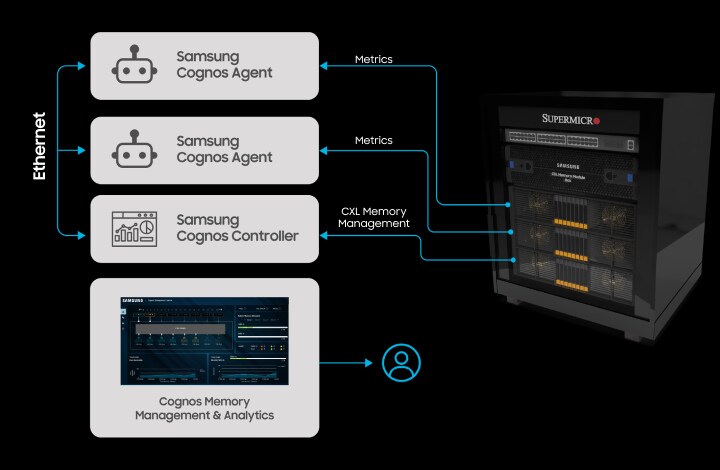
Samsung Cognos provides the glue that stitches all of the CXL-based technologies and
devices into one homogeneous and integrated solution that developers and customers can
easily adopt and use in their cloud or private data center solutions and services.
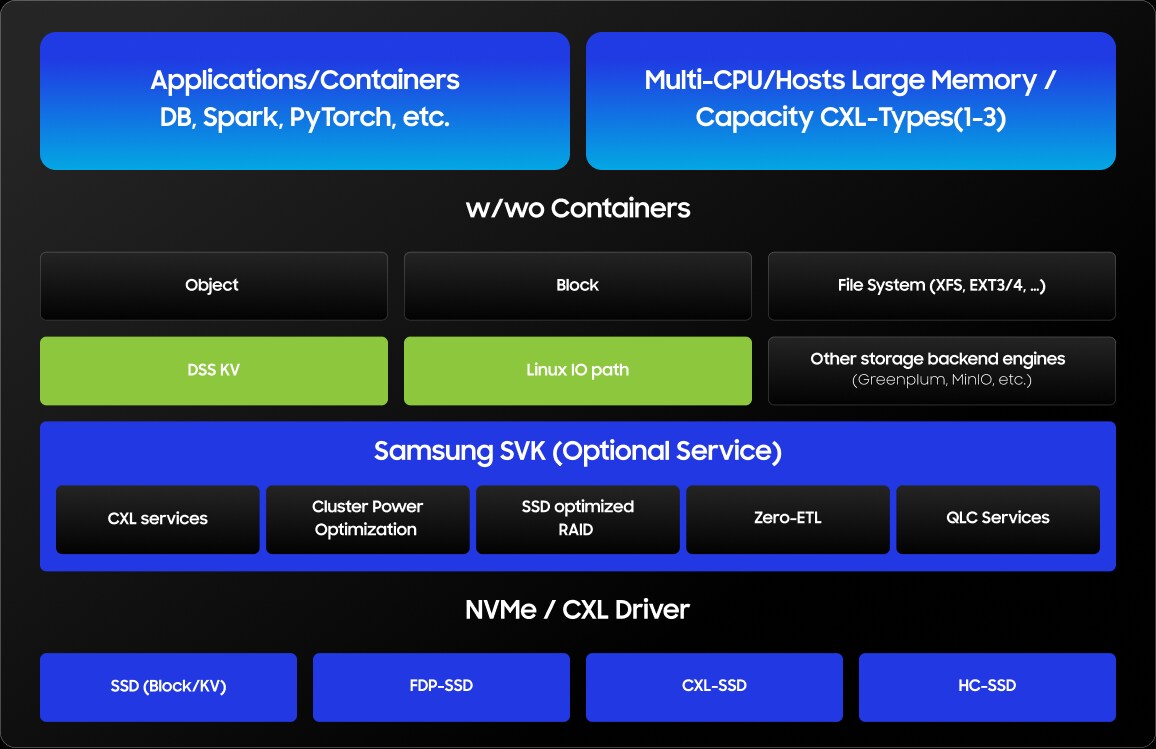
Cognos includes a software developer kit that provides the foundational software
components that are needed to quickly utilize the new CXL-based devices with customer
applications and a host of management software, including
a GUI to manage one-to-many server/switch nodes to handle rack-level cluster/system
management. Samsung Cognos addresses memory stranding problems by pooling memory into a
global resource that is shareable and reusable by resources across the data center. It
provides a value-added software layer for Memory Box and CMM-D in the host to enable
easier adoption by applications with easy-to-use interfaces.
Details
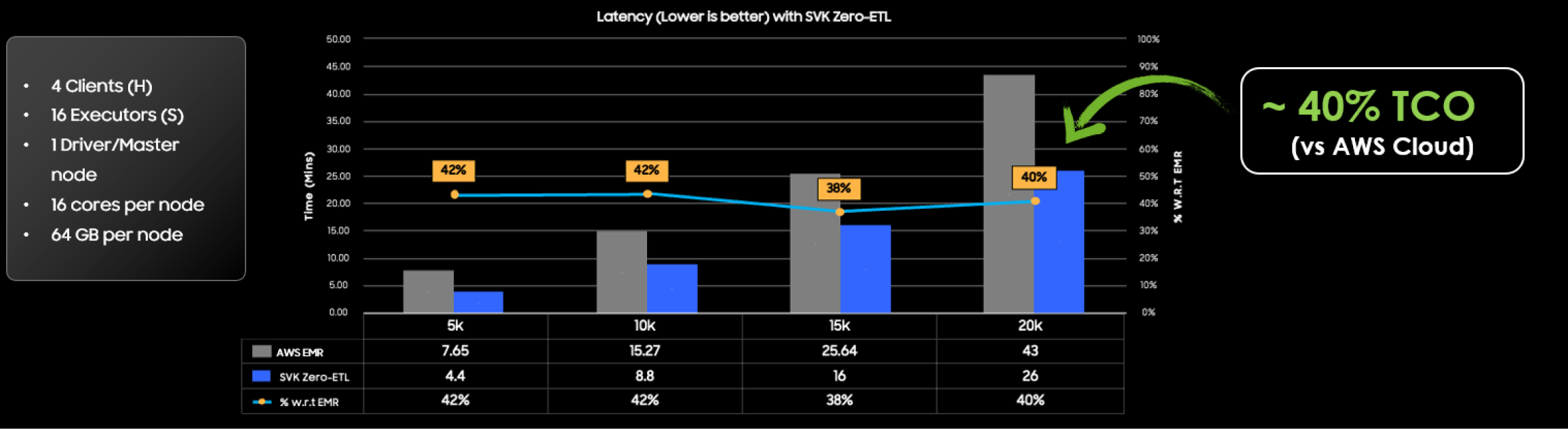
Zero-ETL is an approach that aims to minimize or eliminate the traditional ETL processes
that are typically used to extract data from source systems, transform it into the
desired format, and then load it into a data warehouse or data lake for analysis. In the
context of Zero ETL, the data is often accessed in real-time or near real-time,
eliminating the need for batch processing. This approach is becoming more popular with
the advent of technologies like Change Data Capture
(CDC) and streaming data pipelines.
Details
Optimizing Data Architecture with Samsung SVK & VMware Greenplum
Ivan Novick, Director, VMware & David McIntyre, Director, Samsung & Pramod
Peethambaran, Director, Engineering, Samsung
About this talk :
Join our informative webinar for a detailed review of a
data architecture, crafted with Samsung’s advanced storage solutions and VMware
Greenplum’s data processing capabilities. We’ll walk through the design principles, key
architectural elements, and their role in enhancing system performance. We’ll also
present test data to provide a clear picture of the architecture’s performance and
explain the trade-offs made during the design process. This
session aims to equip you with practical insights to leverage the latest Samsung
hardware technologies and build high-performance systems. Immerse yourself in this
exploration of data warehousing and analytics optimization.
Video
High Performance Object Storage (HPOS) stack enables disaggregated storage over multiple
CMM-HC (Samsung’s computational storage drives). A data centric solution abstracting
which computational function runs in which accelerator layer (i.e. CPU, GPU, XPU) with
ease of scale. Samsung’s HPOS solution provides reference solution for Video AI
applications requiring in-storage video pre-processing. And for Data Analytics use case
providing high performance for
unstructured/object data in data lake.
Video
Posted whitepaper in 2023 MemCon
Increasingly, as AI technology evolves into more sophisticated applications, training
dataset sizes continue to grow exponentially. In order to scale storage and network
infrastructure commensurately to deliver the data required and avoid unbearable training
cycle times, there is a need for a new storage concept and innovative solution to
address this technology gap. DSS Gen2 and beyond provides a potential next generation
architecture and solution to alleviate this
bottleneck.
Another issue that is major impediment to data center scaling is power utilization. And
since one of the key storage consumer is data storage, DSS technology not only plan to
optimize server power utilization but also partner and leverage Samsung’s new high
capacity SSDs which has one of the highest density in the world.
Full
Whitepaper
Github
2022 OCP Global Summit
With the advent of new application workloads related to
Big Data including AI/ML, IoT, Video, security and many other machine generated data,
there is a strong incentive for companies as well as governments to mine this treasure
trove of data to extract value. Innovative companies taking on these storage challenges
have tried storing Big Data into data lakes and moving them into locally attached
storage for analysis but due to the sheer size of the data
set this turns out to be too time consuming. Traditional network data storage also have
been explored but overcoming inherent scaling and performance bottlenecks are difficult.
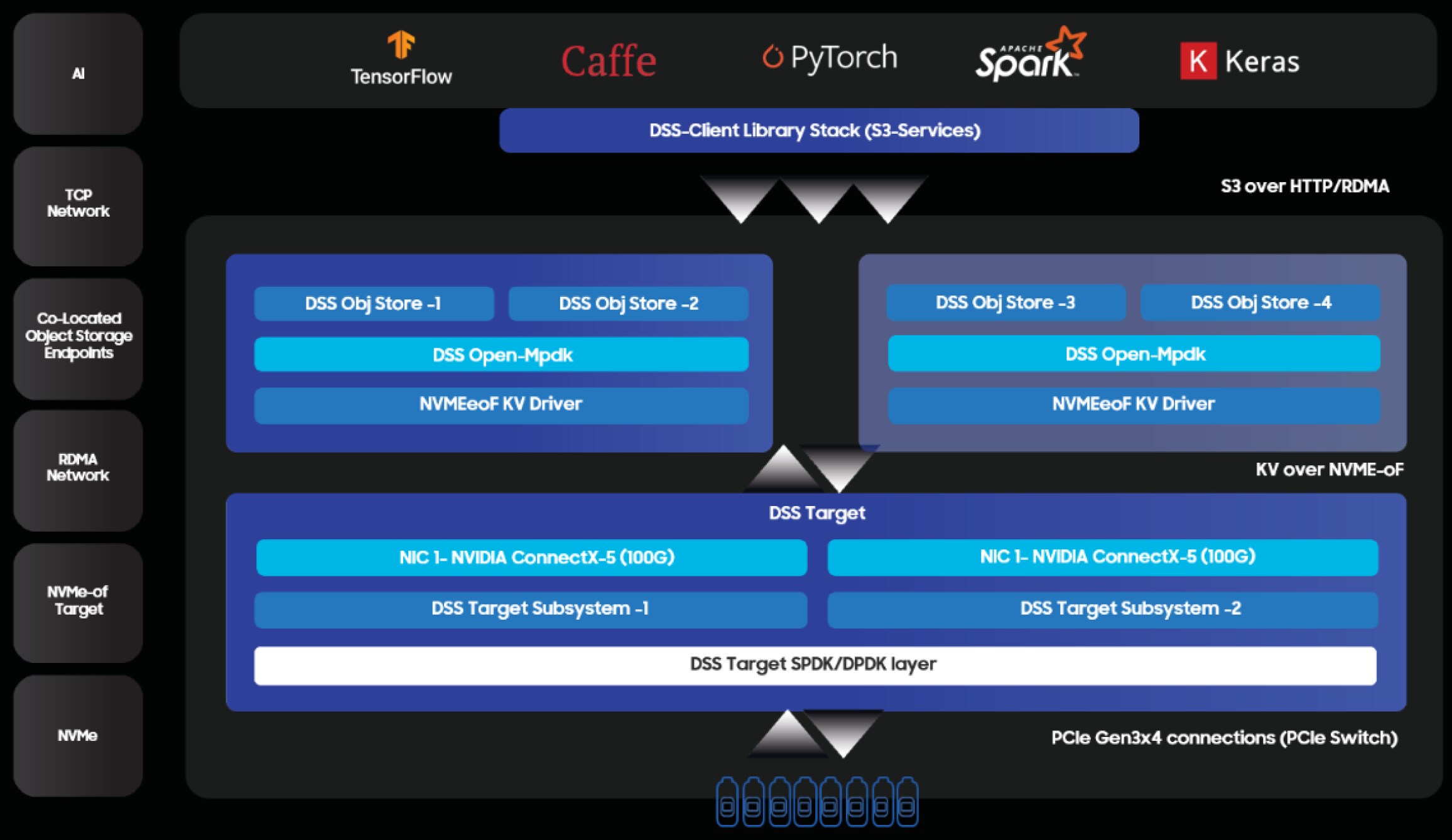
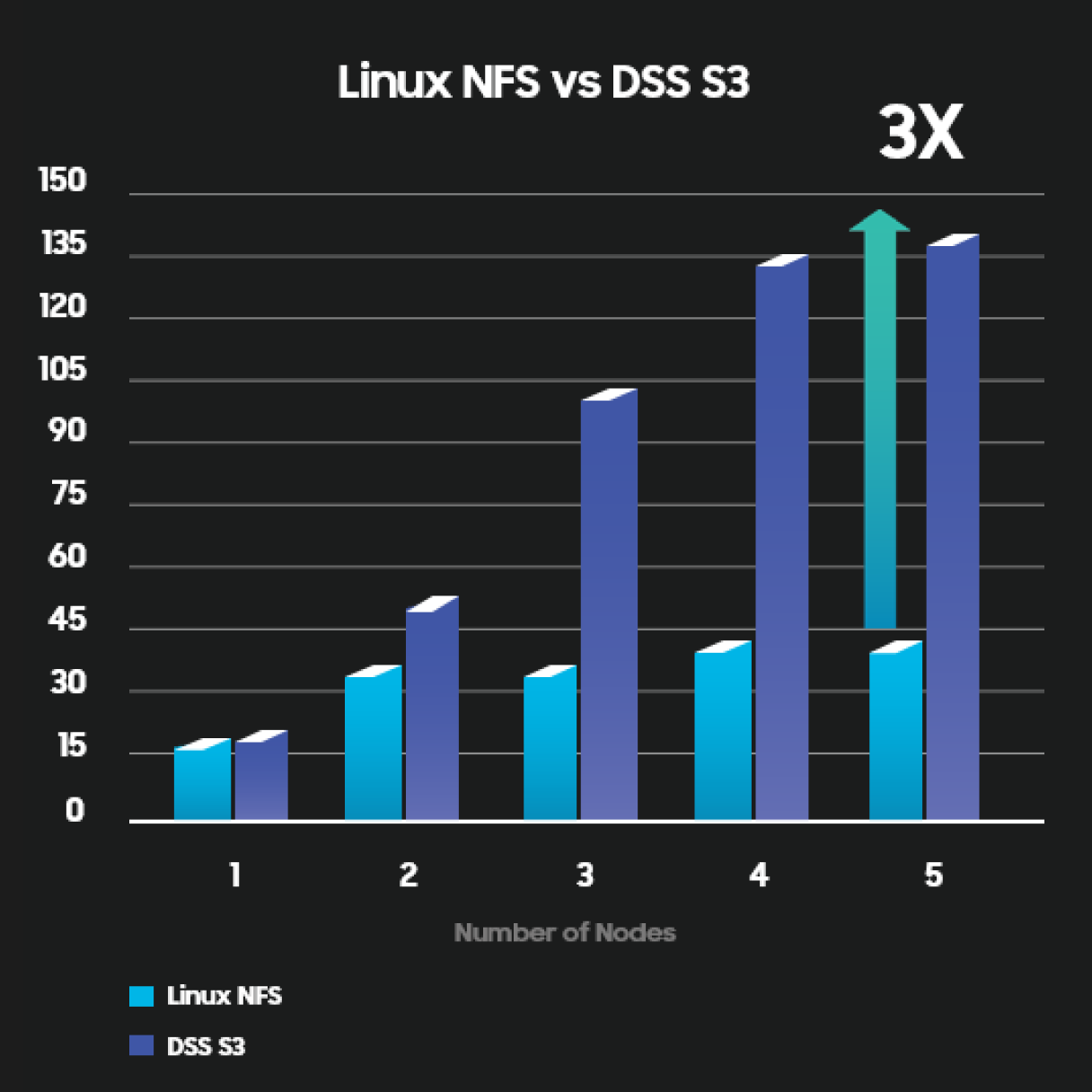
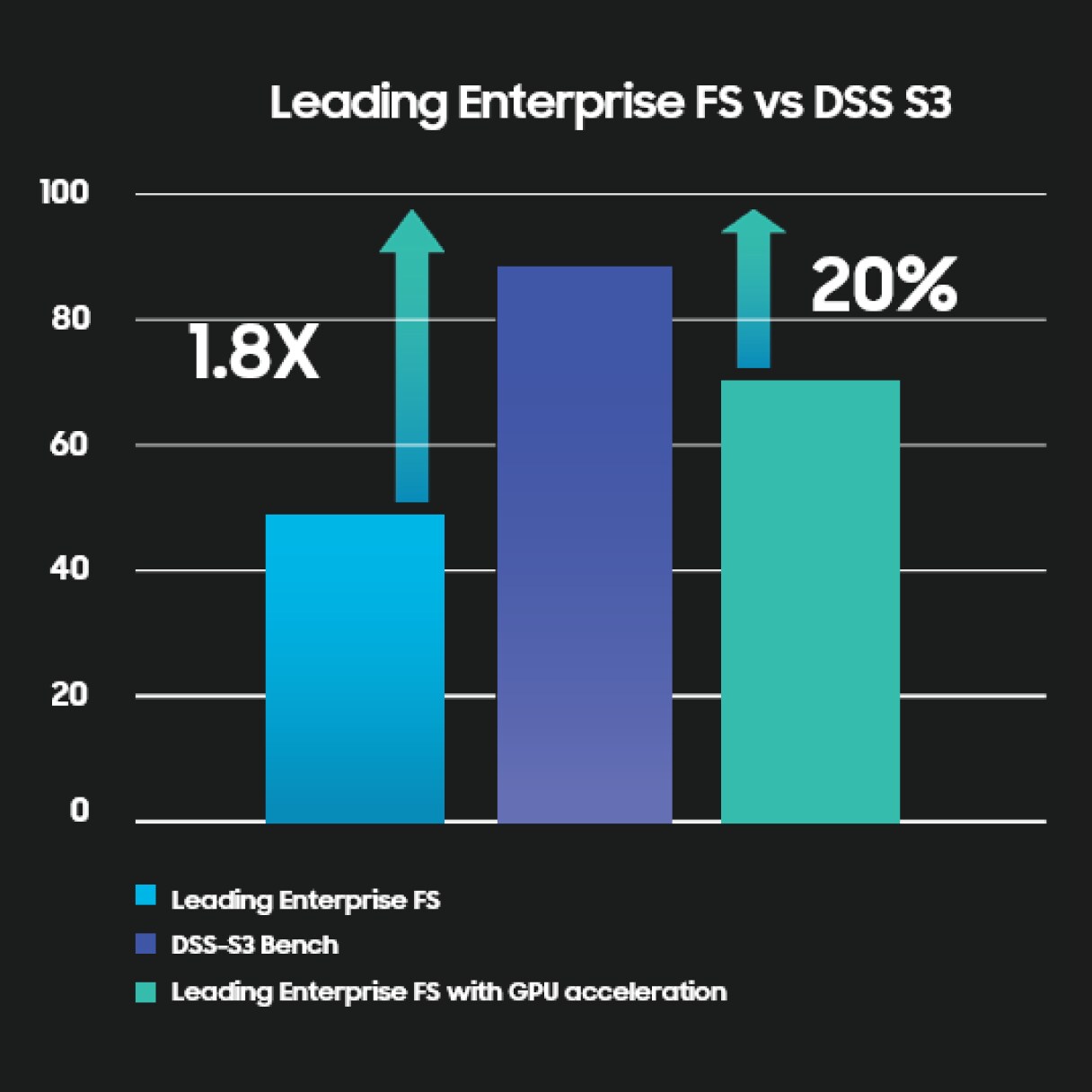
DSS provides an innovative solution to the problem by designing purpose built storage
that only targets these specific workloads.
Video
Slide

 Global