Powering the future of compute with memory innovations
Powering the future of compute with memory innovations
Powering the future of compute with memory innovations
Samsung Memory Labs bring together a global network of specialized teams driving the future of memory innovations. From advanced DRAM and NAND architectures and CXL fabrics, to developing breakthrough firmware and scalable AI/ML platforms, to cloud-ready software solutions, our Memory Labs tackle the most pressing challenges at the intersection of hardware and software.
By combining deep expertise across system architecture, silicon design, and next-generation workloads, our Memory Labs accelerate the adoption of Samsung’s memory technologies in data centers, AI, and digital enterprises worldwide.
Samsung Memory Labs bring together a global network of specialized teams driving the future of memory innovations. From advanced DRAM and NAND architectures and CXL fabrics, to developing breakthrough firmware and scalable AI/ML platforms, to cloud-ready software solutions, our Memory Labs tackle the most pressing challenges at the intersection of hardware and software.
By combining deep expertise across system architecture, silicon design, and next-generation workloads, our Memory Labs accelerate the adoption of Samsung’s memory technologies in data centers, AI, and digital enterprises worldwide.
Samsung Memory Labs bring together a global network of specialized teams driving the future of memory innovations. From advanced DRAM and NAND architectures and CXL fabrics, to developing breakthrough firmware and scalable AI/ML platforms, to cloud-ready software solutions, our Memory Labs tackle the most pressing challenges at the intersection of hardware and software.
By combining deep expertise across system architecture, silicon design, and next-generation workloads, our Memory Labs accelerate the adoption of Samsung’s memory technologies in data centers, AI, and digital enterprises worldwide.
The Artificial General Intelligence (AGI) Computing Lab is addressing the system-level challenges of next-generation AI/ML Workloads.
AGI computing lab is committed to designing and developing scalable platforms that can effectively handle the computational and memory requirements of these workloads while minimizing energy consumption and maximizing performance. To achieve this goal, we collaborate closely with both hardware and software engineers to identify and address the unique challenges posed by AI/ML workloads and to explore new computing abstractions that can provide a better balance between the hardware and software components of our systems. Additionally, we continuously conduct research and development in emerging technologies and trends across memory, computing, interconnect, and AI/ML, ensuring that our platforms are always equipped to handle the most demanding workloads of the future.
The AGI computing lab is comprised of the following groups:
The System Technology Group (STG) innovates memory solution architectures and system software for AI and SSD applications. Through a collaborative approach of hardware-software co-design and advanced architecture modeling and simulation, STG is redefining performance, efficiency, and capabilities in memory-centric AI solutions. The team focuses on developing scalable memory architectures, optimizing AI workload acceleration, and exploring emerging memory technologies to enable efficient AI SW ecosystems.
The Architecture Group supports the AGI Computing Lab’s product design through design space exploration, analytical simulation, and runtime prototyping. The team creates detailed architectural specifications and designs critical IP enabling next generation scalable AI/ML platforms. The team's work enables efficient and effective system development with expertise spanning hardware, systems software, and application software.
The Compiler Group designs and develops scalable compiler infrastructure for machine learning (ML), focusing on critical challenges like distribution, communication, and validation. The team leverages open-source projects such as PyTorch and MLIR (multi-level intermediate representation) to build a robust and efficient compiler, with the ultimate goal of seamlessly integrating it into the developer workflow to enable efficient ML application development.
The Developer Experience Group designs software infrastructure to facilitate intuitive authoring, optimization, and debugging across hardware and software abstraction layers. The group's goal is to improve the experience of both internal and external developers by providing robust tools that identify performance bottlenecks and enable the creation of optimized code in an intuitive and efficient manner.
For questions or inquiries regarding the AGI Computing Lab, please contact us at:agicl@samsung.com
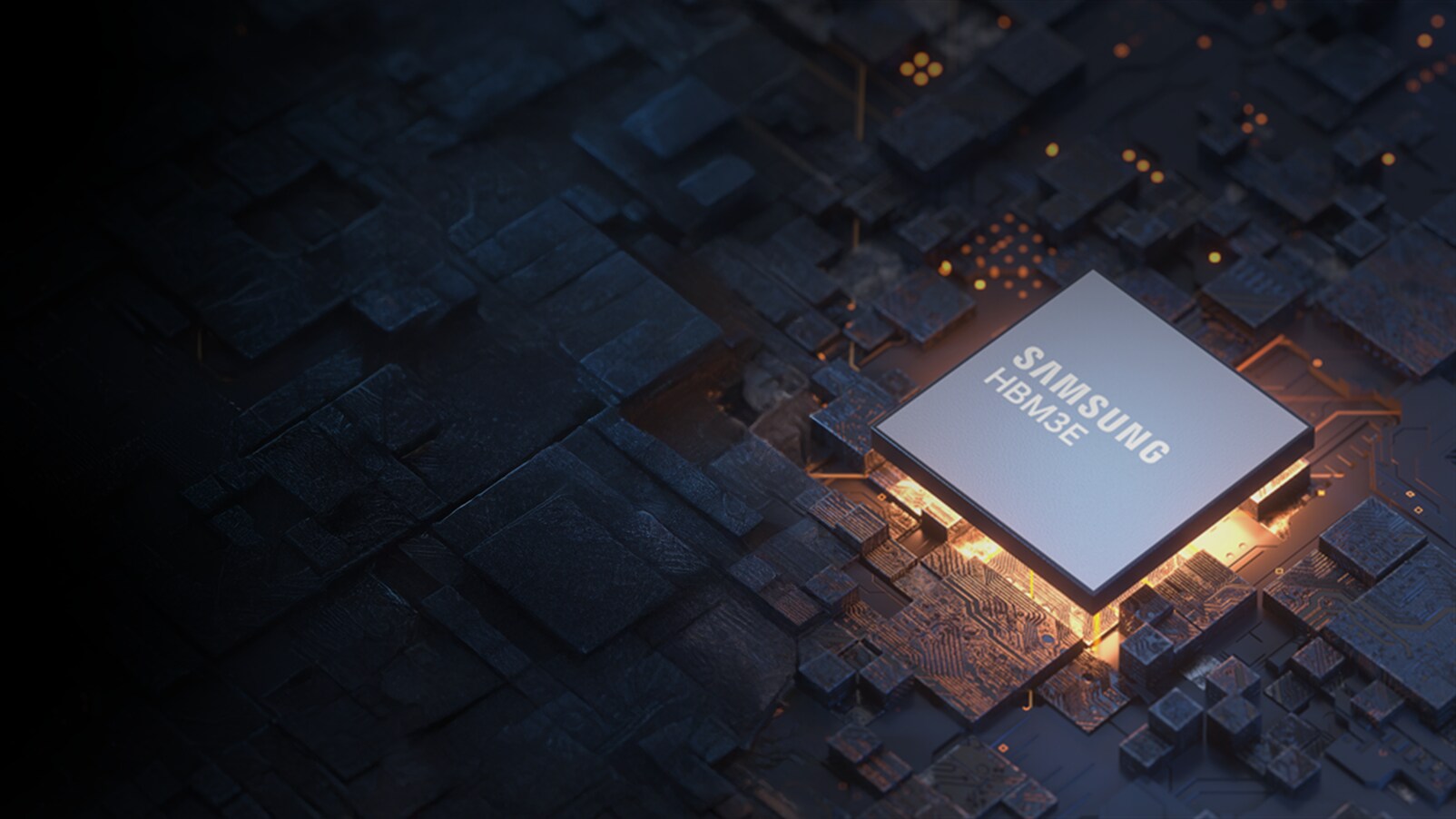
Ultra-High Performance DRAM Development
DDL designs commercial DRAM products specialized in high performance and customization.
At the center of silicon valley,
DDL collaborates with numerous big technology customers and provides optimized solutions
for them. DDL also researches
new DRAM IO and core technology to achieve higher bandwidth together with better power
efficiency.
DDL consists of four teams working on the following:
Participates in standard HBM4E development projects, develops HBM4E architecture, and contributes to HBM4E IP development.
Develops IO architecture, circuit schemes, and IPs for DDR6 DRAM, Custom HBM, HBM4E, and MIPI M-PHY.
Develops cutting-edge firmware solutions for embedded memory technologies, including custom high-bandwidth memory (HBM). Designs and delivers high-performance, reliable, and resource-optimized firmware.
Develops custom HBM Base die, Samsung cHBM – technical customer engagement.
Leads the research and development of memory products that significantly enhance the performance and power of memory systems in CXL memory fabric and AI compute through the rack scale hardware and software solutions.
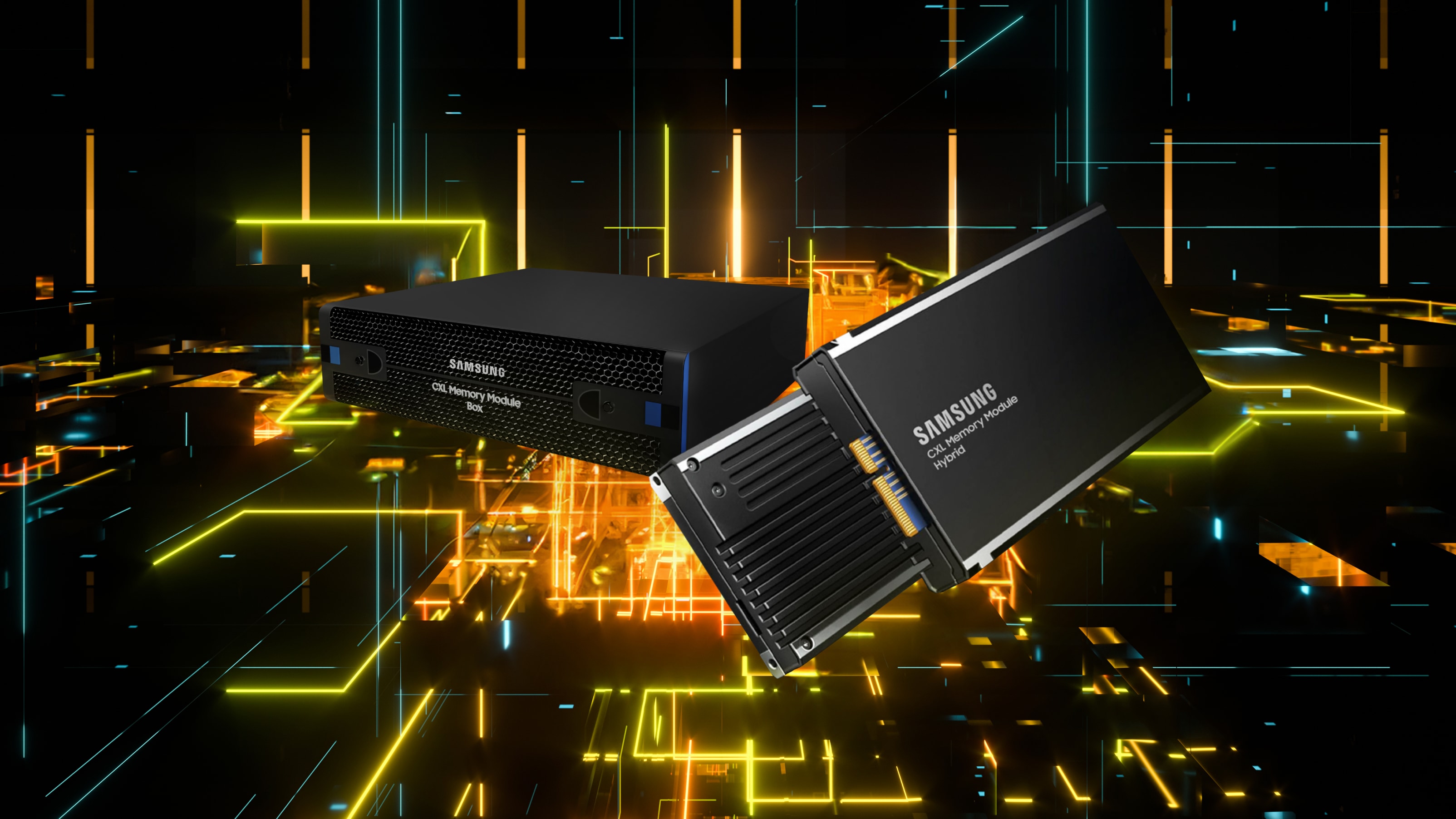
The Memory Solutions Lab (MSL) is part of Samsung’s memory business unit, the industry’s technology and volume leader in DRAM and SSD. MSL’s vision is to revolutionize CXL memory fabric and AI memory by addressing critical challenges and pioneering innovative architecture platforms. MSL works collaboratively with Samsung’s worldwide R&D Labs.
MSL is comprised of the following groups:
The Datacenter Device Solutions team develops innovative memory device solutions helping shape the landscape of enterprise and cloud memory and storage architectures, delivering many “world’s first” memory products and features to major OEMs and CSPs.
The Data Fabric Solutions team creates full stack solutions that optimize the memory performance for AI Infrastructure deployments using composable Samsung memories over diverse fabrics.
For questions or inquiries regarding the Memory Solutions Lab, please contact us at:RDMSLLeadersCTO@ssi.samsung.com

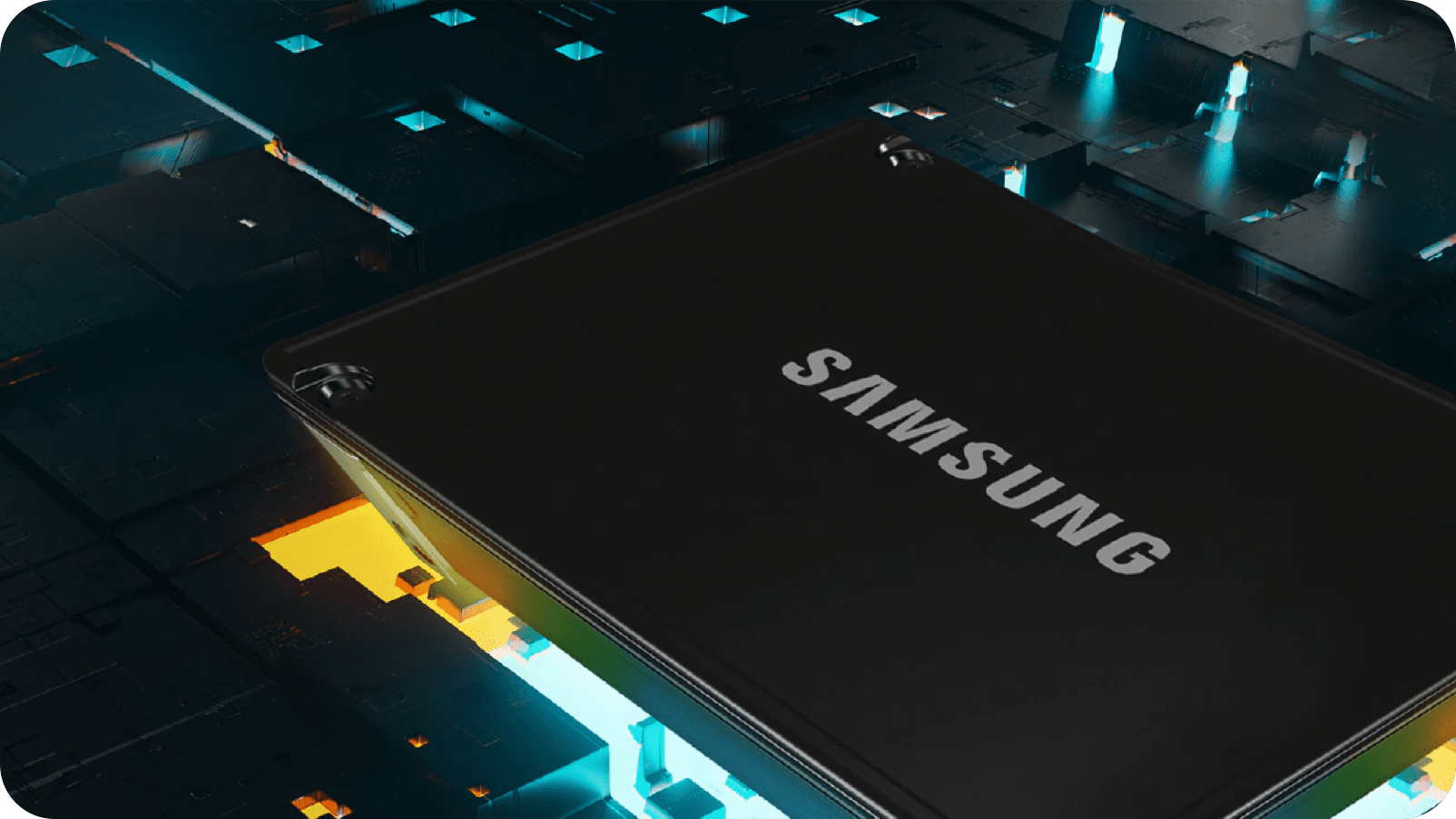
TED is a US-based design-in team that works with Enterprise OEM and Data Center customers on qualification and support of SSDs. Our core development focus is the host interface firmware layer that sits in the intersection of system software and flash management firmware. This key host interface firmware technology drives Samsung’s breakthrough V-NAND technology and enables our customers to power performance-oriented, demanding, enterprise-class applications ranging from hyper-scale data centers to big data processing to software defined virtualized storage arrays and infrastructures. In addition to hosting interface firmware, TED is also responsible for developing high level controller architecture and architecture models for early evaluation of next generation architecture concepts and emerging customer requirements.
TED has four teams that work closely to support enterprise and data center SSD end-to-end development and qualification support for US customers. Each team has their own R&R:
Engages in N+2 generation Enterprise/DC SSD controller architecture together with architectural evaluation of emerging and futuristic requirements from customers and specs/standards.
Engages in architecture and development of Enterprise SSD HIL Firmware for N+1/N Generation.
Owns Customer Firmware and Customer Design-In Support for the lifecycle of the products — from new qualifications to sustaining.
Owns SSD evaluation frameworks, test cases, continuous integration testing, and joint qualification of new and sustaining enterprise and datacenter SSD products.
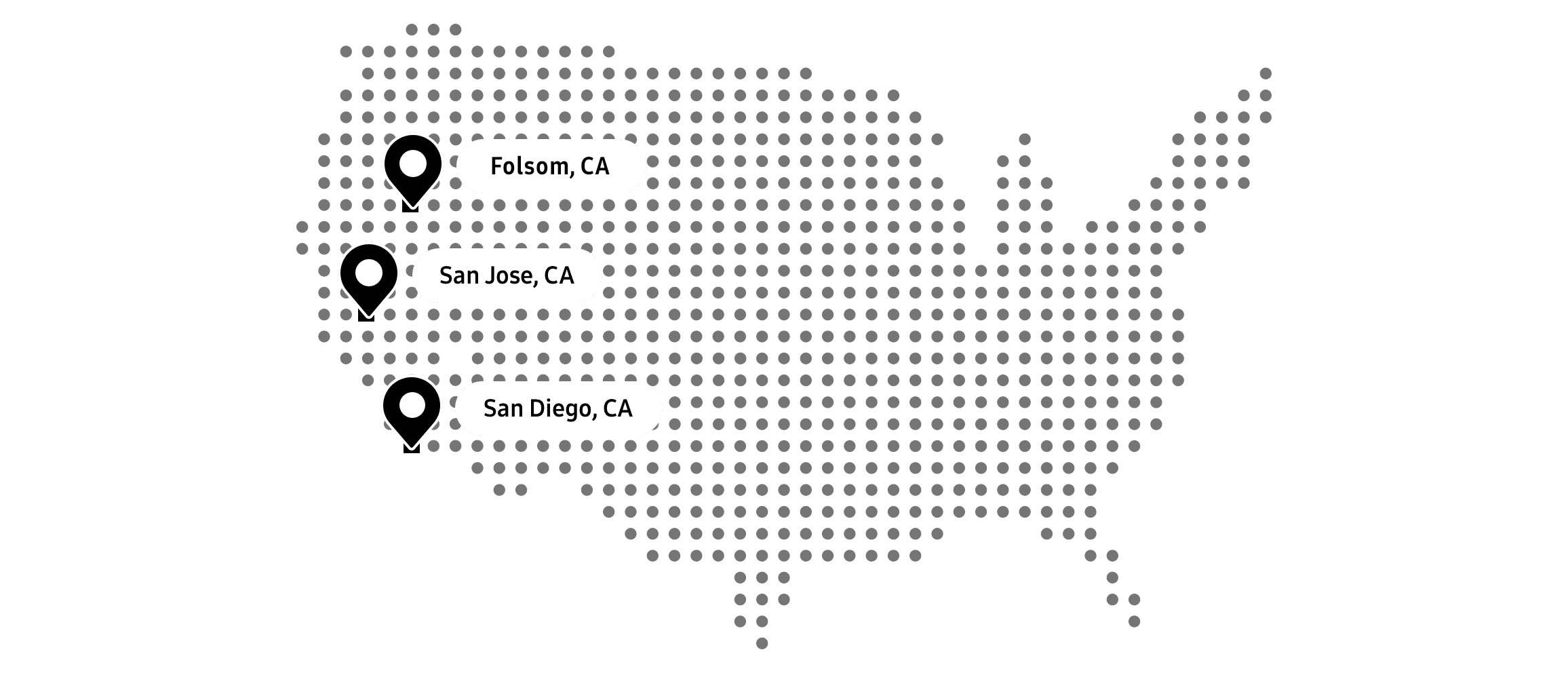
3655 North 1st St., San Jose, CA 95134
3655 North 1st St., San Jose, CA 95134
2365 Iron Point Rd. #290, Folsom, CA 95630
9808, 9868 Scranton Road, San Diego, CA 92121
3655 North 1st St., San Jose, CA 95134
3655 North 1st St., San Jose, CA 95134

 Global