Inspired by ISOCELL
Inspired by ISOCELL
Inspired by ISOCELL
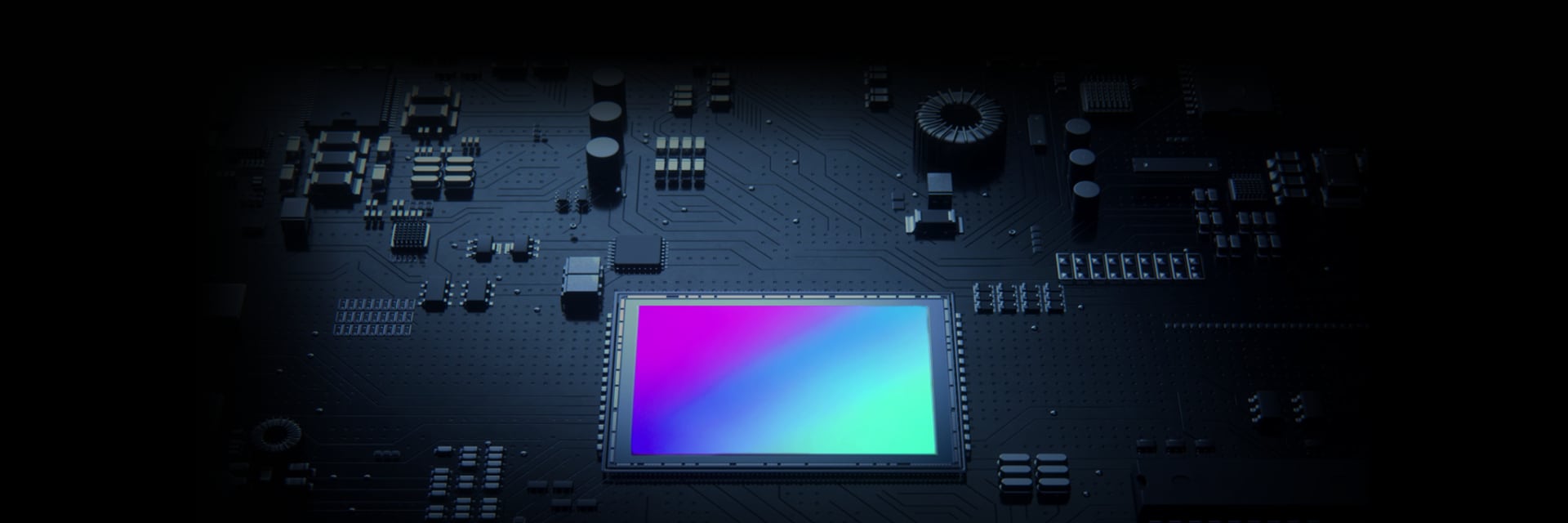
Every pixel on your image sensor is a bucket that collects light. Bigger buckets collect more water, and bigger pixels collect more light. With pixel binning, smaller pixels, which enable higher resolution but struggle to gather enough light in challenging conditions, merge with neighboring pixels to create a larger, single pixel. The sensor then captures more light, improving image quality and reducing the standard noise and grain.
Every pixel on your image sensor is a bucket that collects light. Bigger buckets collect more water, and bigger pixels collect more light. With pixel binning, smaller pixels, which enable higher resolution but struggle to gather enough light in challenging conditions, merge with neighboring pixels to create a larger, single pixel. The sensor then captures more light, improving image quality and reducing the standard noise and grain.
Every pixel on your image sensor is a bucket that collects light. Bigger buckets collect more water, and bigger pixels collect more light. With pixel binning, smaller pixels, which enable higher resolution but struggle to gather enough light in challenging conditions, merge with neighboring pixels to create a larger, single pixel. The sensor then captures more light, improving image quality and reducing the standard noise and grain.
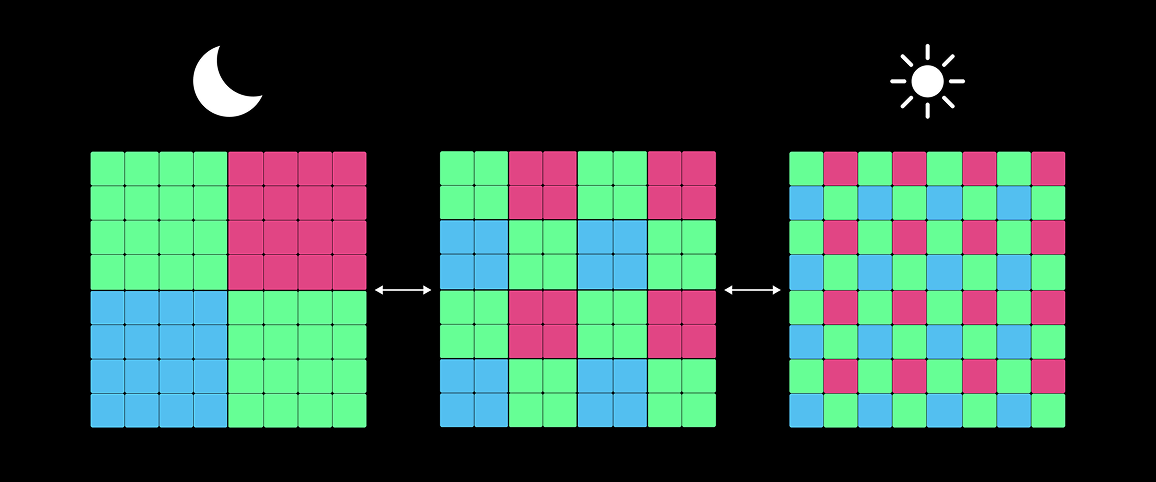

By combining neighboring pixels into a larger, single pixel, pixel binning brings a number of benefits to smartphone cameras. Greater pixel surface area leads to improved light sensitivity, which in turn improves images by reducing noise and increasing clarity. Dynamic range is greater too, as images contain more detail in both light and dark areas. Plus, if enough light is available, the sensor can switch to a higher resolution with remosaic. This allows the sensor to capture more detail and produce stunning high-resolution images.
By combining neighboring pixels into a larger, single pixel, pixel binning brings a number of benefits to smartphone cameras. Greater pixel surface area leads to improved light sensitivity, which in turn improves images by reducing noise and increasing clarity. Dynamic range is greater too, as images contain more detail in both light and dark areas. Plus, if enough light is available, the sensor can switch to a higher resolution with remosaic. This allows the sensor to capture more detail and produce stunning high-resolution images.
By combining neighboring pixels into a larger, single pixel, pixel binning brings a number of benefits to smartphone cameras. Greater pixel surface area leads to improved light sensitivity, which in turn improves images by reducing noise and increasing clarity. Dynamic range is greater too, as images contain more detail in both light and dark areas. Plus, if enough light is available, the sensor can switch to a higher resolution with remosaic. This allows the sensor to capture more detail and produce stunning high-resolution images.
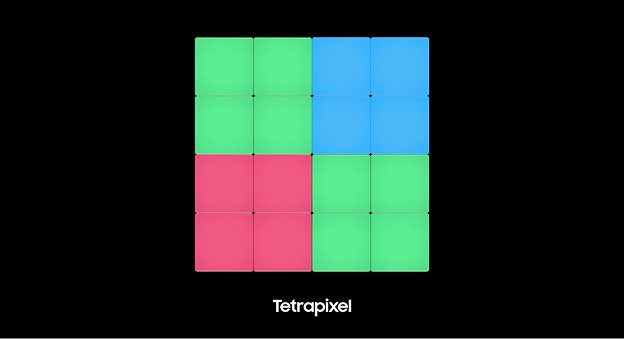
What’s truly novel about Samsung’s pixel binning technology is that it comes in three distinct types and can flexibly adapt to different lighting conditions. Tetrapixel supports both pixel binning and 2×2 remosaic modes, combining four pixels into one for improved light sensitivity while also enabling high-resolution capture. Nonapixel operates similarly, supporting both binning and 3×3 remosaic modes to enable transitions between multiple resolutions depending on sensor capabilities.
What’s truly novel about Samsung’s pixel binning technology is that it comes in three distinct types and can flexibly adapt to different lighting conditions. Tetrapixel supports both pixel binning and 2×2 remosaic modes, combining four pixels into one for improved light sensitivity while also enabling high-resolution capture. Nonapixel operates similarly, supporting both binning and 3×3 remosaic modes to enable transitions between multiple resolutions depending on sensor capabilities.
What’s truly novel about Samsung’s pixel binning technology is that it comes in three distinct types and can flexibly adapt to different lighting conditions. Tetrapixel supports both pixel binning and 2×2 remosaic modes, combining four pixels into one for improved light sensitivity while also enabling high-resolution capture. Nonapixel operates similarly, supporting both binning and 3×3 remosaic modes to enable transitions between multiple resolutions depending on sensor capabilities.
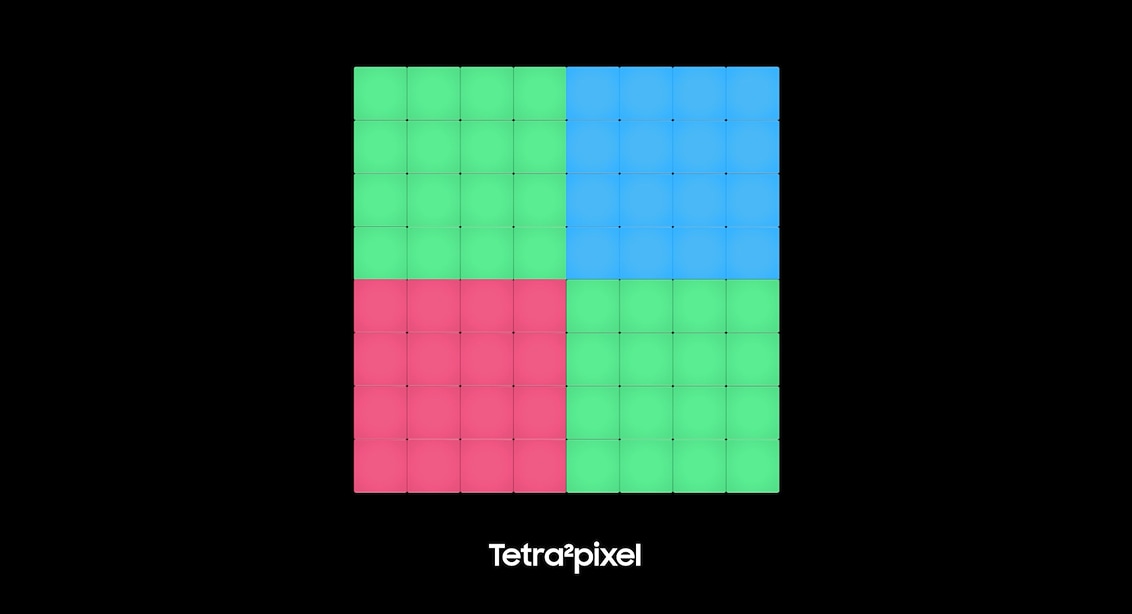
Tetra²pixel further expands this concept by supporting three modes: pixel binning, 2×2 remosaic and 4×4 remosaic. For example, in a 200MP image sensor, it can combine 16 neighboring pixels into one to produce a 12.5MP image in low-light conditions. When lighting improves, the sensor can switch to 50MP mode using 2×2 remosaic or return to full 200MP resolution with 4×4 remosaic, enabling optimal image quality across a wide range of shooting environments.
Tetra²pixel further expands this concept by supporting three modes: pixel binning, 2×2 remosaic and 4×4 remosaic. For example, in a 200MP image sensor, it can combine 16 neighboring pixels into one to produce a 12.5MP image in low-light conditions. When lighting improves, the sensor can switch to 50MP mode using 2×2 remosaic or return to full 200MP resolution with 4×4 remosaic, enabling optimal image quality across a wide range of shooting environments.
Tetra²pixel further expands this concept by supporting three modes: pixel binning, 2×2 remosaic and 4×4 remosaic. For example, in a 200MP image sensor, it can combine 16 neighboring pixels into one to produce a 12.5MP image in low-light conditions. When lighting improves, the sensor can switch to 50MP mode using 2×2 remosaic or return to full 200MP resolution with 4×4 remosaic, enabling optimal image quality across a wide range of shooting environments.
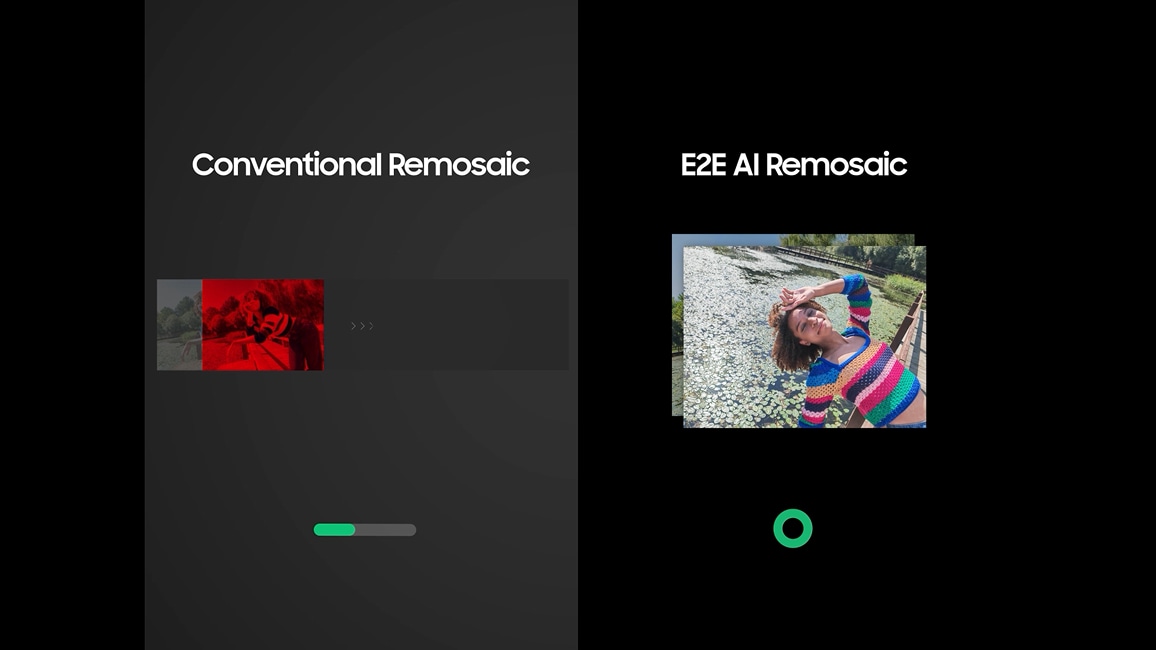
Samsung’s end-to-end (E2E) AI Remosaic takes mobile image processing a step further. Whereas traditional 200MP image sensors follow a sequential process that starts with raw data output before moving on to remosaic, image signal processing (ISP), and JPEG output, E2E AI Remosaic remakes this process. Rather than running each step sequentially, it performs both remosaic and image signal processing in parallel, resulting in a reduction in remosaic latency and memory usage.
This is a notable improvement because conventionally, memory buffer access is required between remosaic and ISP, but the E2E process eliminates this step, resulting in significant benefits in terms of memory usage. Faster image processing decreases capture time for 200MP images, leading to quicker photo capture and review and reduced image degradation from latency-related data loss, ultimately enhancing image quality. As a result, photos have richer details and more vibrant colors.
Samsung’s end-to-end (E2E) AI Remosaic takes mobile image processing a step further. Whereas traditional 200MP image sensors follow a sequential process that starts with raw data output before moving on to remosaic, image signal processing (ISP), and JPEG output, E2E AI Remosaic remakes this process. Rather than running each step sequentially, it performs both remosaic and image signal processing in parallel, resulting in a reduction in remosaic latency and memory usage.
This is a notable improvement because conventionally, memory buffer access is required between remosaic and ISP, but the E2E process eliminates this step, resulting in significant benefits in terms of memory usage. Faster image processing decreases capture time for 200MP images, leading to quicker photo capture and review and reduced image degradation from latency-related data loss, ultimately enhancing image quality. As a result, photos have richer details and more vibrant colors.
Samsung’s end-to-end (E2E) AI Remosaic takes mobile image processing a step further. Whereas traditional 200MP image sensors follow a sequential process that starts with raw data output before moving on to remosaic, image signal processing (ISP), and JPEG output, E2E AI Remosaic remakes this process. Rather than running each step sequentially, it performs both remosaic and image signal processing in parallel, resulting in a reduction in remosaic latency and memory usage.
This is a notable improvement because conventionally, memory buffer access is required between remosaic and ISP, but the E2E process eliminates this step, resulting in significant benefits in terms of memory usage. Faster image processing decreases capture time for 200MP images, leading to quicker photo capture and review and reduced image degradation from latency-related data loss, ultimately enhancing image quality. As a result, photos have richer details and more vibrant colors.
Products for superior detail and color, day or night
Products for superior detail and color, day or night
Products for superior detail and color, day or night



 Global