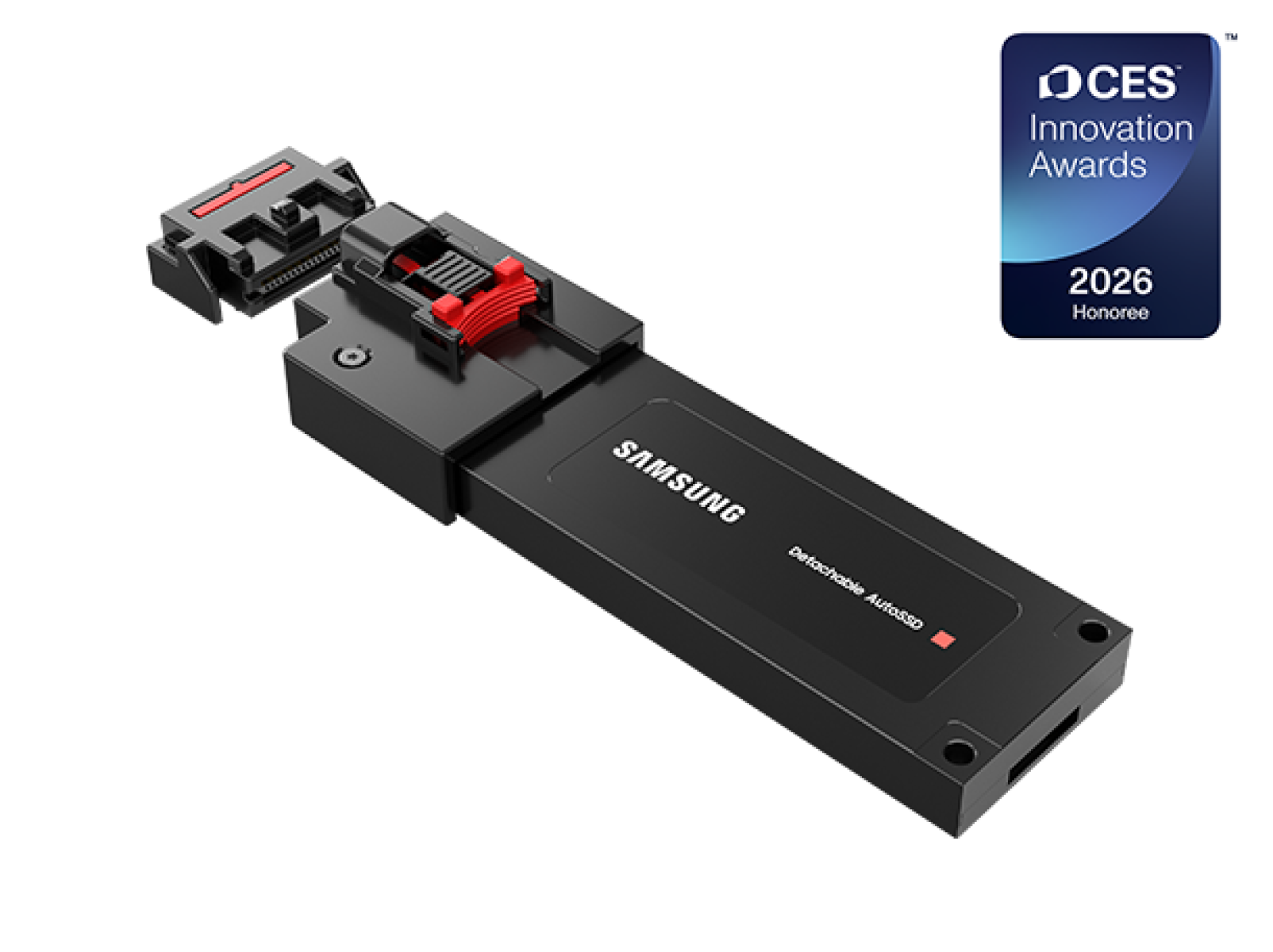
Samsung Semiconductor earned seven CES Innovation Awards® this year, demonstrating how semiconductor technology continues to drive innovation across industries and elevate everyday life far beyond the functions of individual components. Among the honorees, the Detachable AutoSSD—winner in the Vehicle Tech & Advanced Mobility category—stands out as the industry’s first high-performance, auto-grade SSD with a modular E1.A form factor.
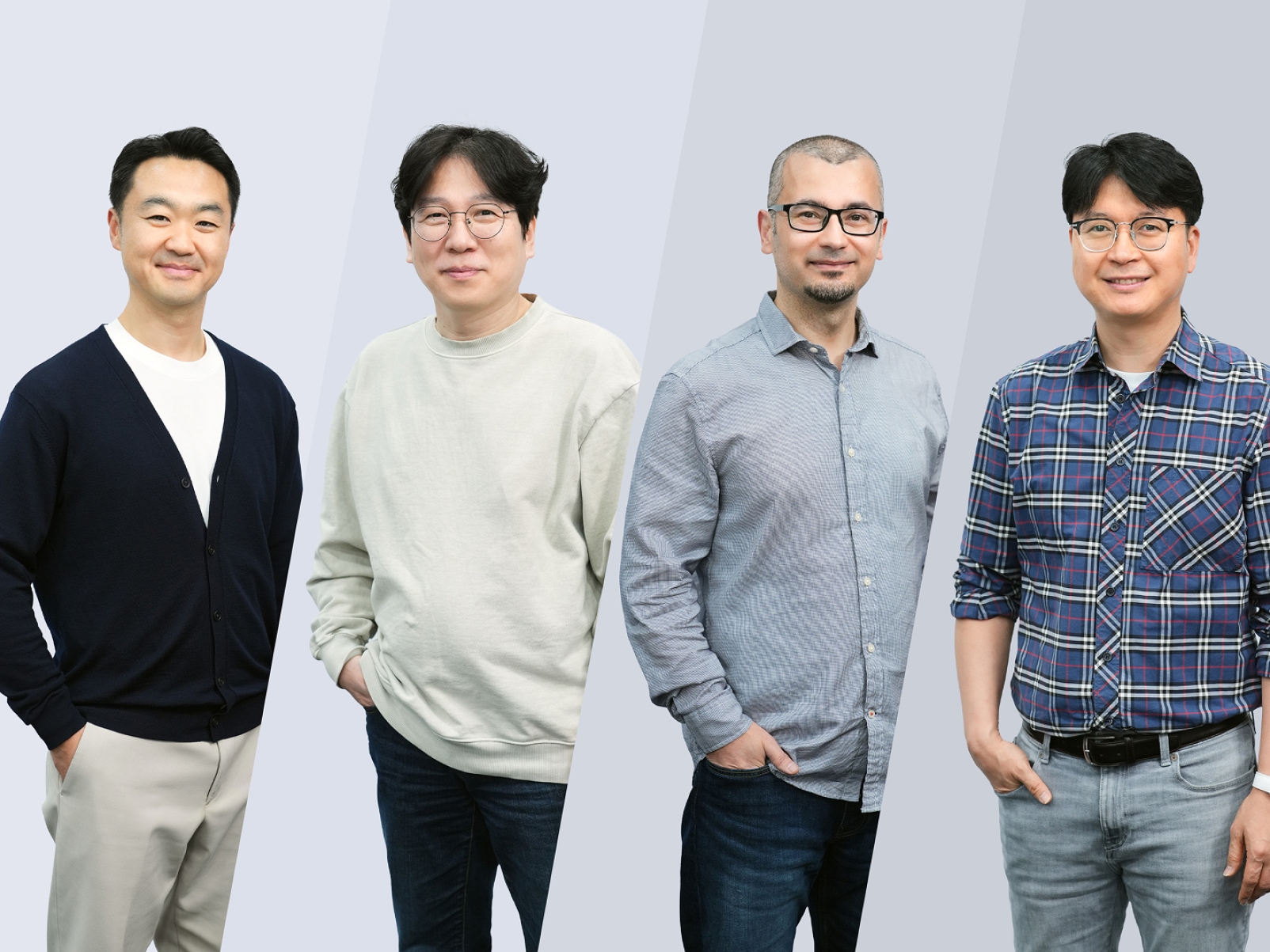
We spoke with the key contributors behind this innovation: Task Leader Jungwook Kim and Kyu-Dong Kim from the Memory Product Planning Team; and Task Leaders Yusuf Cinar and Young-Keun Oh from the Solution Product & Development Team.
Q. To start, could you introduce the Detachable AutoSSD product that received the CES 2026 Innovation Award?
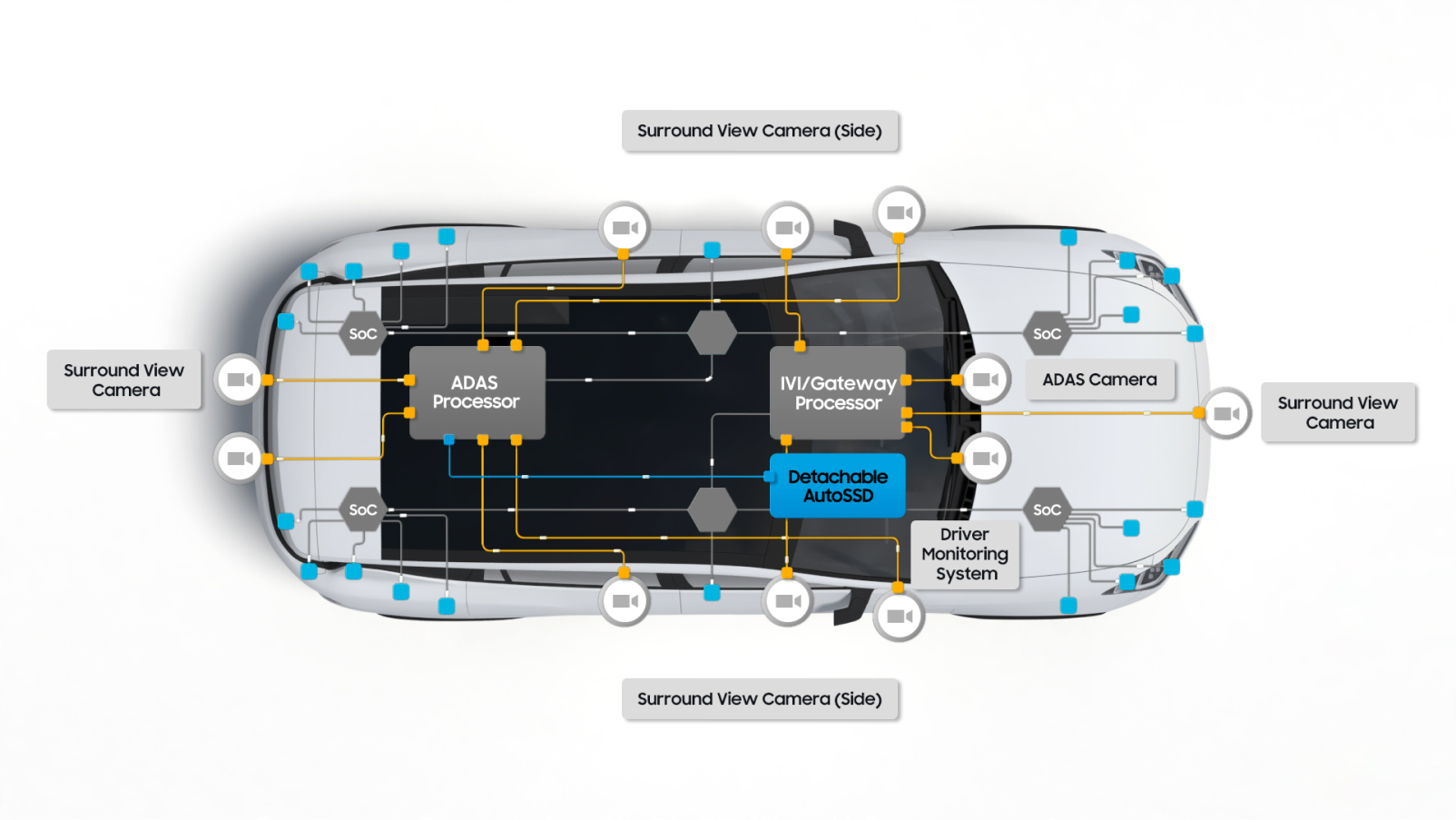
Jungwook Kim: Samsung’s Detachable AutoSSD is the industry’s fastest auto-grade storage technology, purpose-built for demanding in-vehicle environments. Unlike embedded automotive storage, it adopts a modular E1.A form factor that separates the controller and NAND, enabling easier upgrades or replacement. This modularity also enhances heat dissipation and extends product lifespan—critical requirements as vehicles become more intelligent, connected, and data-driven.
Q. Compared to conventional embedded storage, what advantages does this modular design offer?
Young-Keun Oh: Traditional embedded storage integrates the controller and NAND in a tightly confined package mounted directly onto the system board. Because the components generating substantial heat are gathered in a small space, the heat builds up quickly. Capacity expansion is also limited, as embedded designs must follow strict international size standards, making it difficult to stack multiple NAND chips for higher capacities. Additionally, embedded storage uses standardized ball maps, leaving little room for optimization to improve performance.
The Detachable AutoSSD introduces a new modular approach. By separating the automotive-grade controller and NAND within a single module, thermal generation is minimized and performance remains stable even during intensive workloads. The controller’s ball map can be fully optimized for signal integrity, and multiple NAND packages can be mounted to achieve higher capacities.
One of the most significant benefits is improved maintainability. Unlike soldered solutions, which require replacing the entire system in case of degradation, the Detachable AutoSSD can be easily removed, upgraded, or replaced—greatly reducing downtime and cost.
Q. What inspired the development of this innovative solution?
Jungwook Kim: Before the Detachable AutoSSD, the automotive market lacked a module-type storage solution capable of meeting its stringent requirements. Autonomous-driving systems continue to evolve toward more integrated hardware–software architectures, generating massive datasets from numerous sensors and cameras. Managing this data demands storage with exceptional performance, capacity, and reliability.
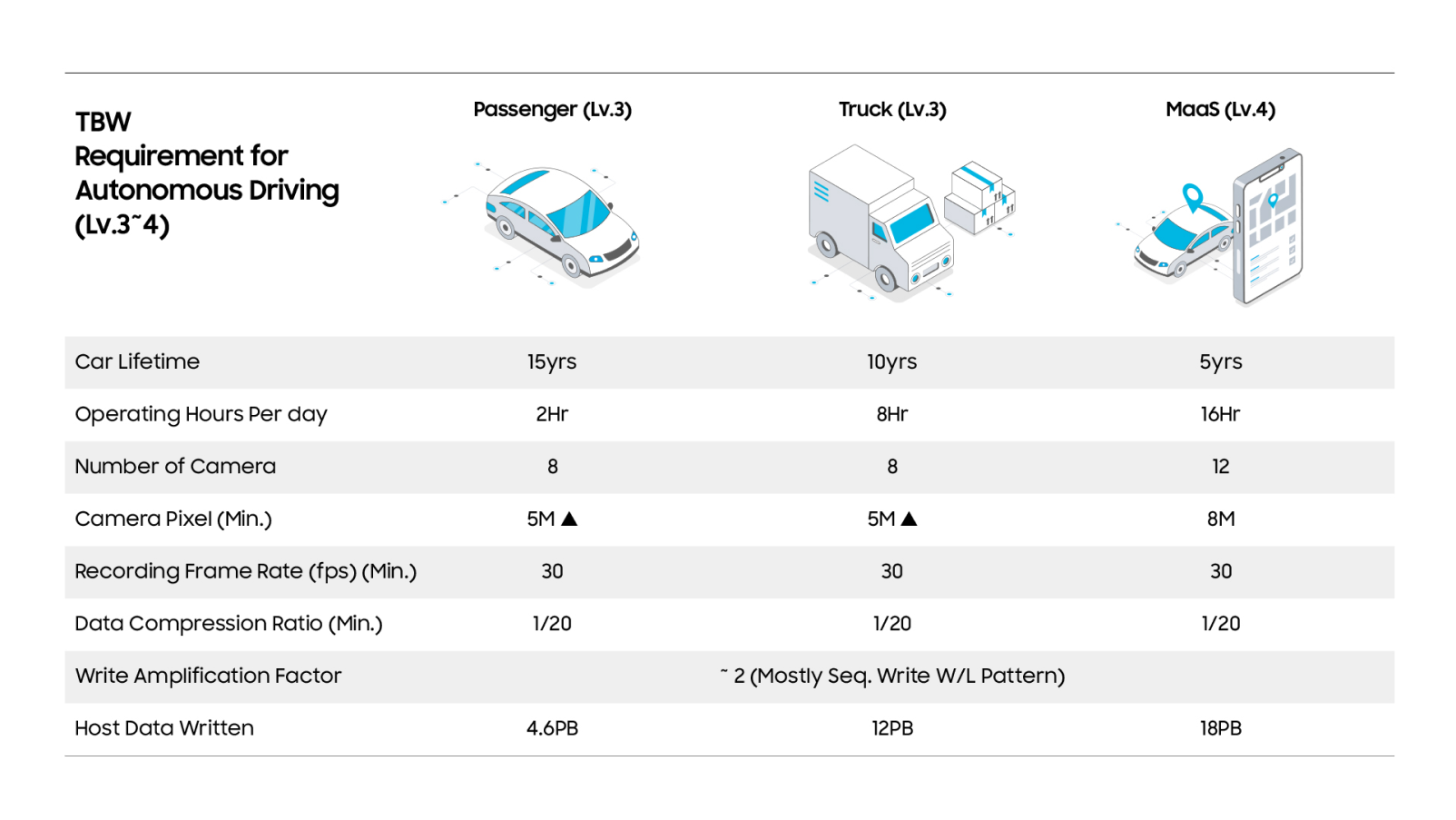
Regulatory expectations are also changing rapidly. Over a vehicle’s lifetime, sensor data is projected to reach 3–18 petabytes (PB)—far beyond the total bytes written (TBW) endurance of conventional BGA-type storage. Because BGA solutions cannot maintain such volumes for a long time under automotive standards, a replaceable, high-endurance solution became essential.
At the time, no global standards existed for detachable automotive storage. By working closely not only with our internal quality and development teams but also with customers, we identified industry needs and built the Detachable AutoSSD from the ground up with a focus on performance, reliability and longevity.
Q. You mentioned the importance of high-capacity storage. What role does it play in modern vehicles?
Kyu-Dong Kim: High-capacity storage is fundamental to next-generation fully autonomous vehicles, robotaxis, and connected cars. Autonomous vehicles continuously gather massive datasets from cameras, LiDAR, radar, and ultrasonic sensors to perceive the environment, detect objects, and plan movement using high-resolution maps. This data must be stored, accessed, and processed in real time. In addition, the data is also analyzed to refine system performance and improve the algorithms that power next-gen autonomous vehicles.
Connected vehicles are also becoming versatile digital spaces beyond simple mobility. As in-car experiences evolve—music streaming, video conferencing, navigation, gaming, and more—high-performance storage ensures fast, seamless functionality across all these applications, reshaping future driving experiences in a completely new way. Intelligent vehicles require both high capacity and high performance storage, and Samsung’s Detachable AutoSSD provides the foundation for that shift.
Q. What technologies enable this level of capacity, and how do they benefit vehicle users?
Young-Keun Oh: The Detachable AutoSSD achieves up to 4TB of capacity within the E1.A form factor by adopting an automotive-grade V8 1 TB NAND chip on the module. This makes it the largest-capacity automotive SSD available today. Autonomous vehicles generate several gigabytes of data from various sensors every single second. This data must be stored long term for accident analysis, AI training, and over-the-air software updates. Because general NAND storage naturally wears down after numerous read/write cycles, higher capacity effectively reduces replacement frequency by storing more data—extending usable lifespan by two to three times.
Higher capacity also enables greater parallel processing, which improves read and write performance. In real-world use, drivers and passengers will notice faster, smoother performance compared to lower-capacity products.
Q. As vehicles become hyper-connected platforms, security becomes increasingly important. What strengths does the Detachable AutoSSD offer?
Kyu-Dong Kim: Modern vehicles operate as hyper-connected computing platforms, making data protection a top priority. The Detachable AutoSSD provides strong, hardware-based security by applying Self-Encrypting Drive (SED) technology, which automatically encrypts all stored data. Even if the module is physically detached, the data cannot be accessed or interpreted by a third party.
The SSD also supports SPDM (Security Protocol and Data Model), which establishes trusted communication between the platform and SSD, ensuring confidentiality and integrity throughout data exchange. This helps safeguard against tampering data in complex automotive systems.
Beyond device-level protection, Samsung Memory is certified under the CSMS (Cybersecurity Management System) that defines an automotive industry standard for robust security processes across product development, operation, and maintenance. This demonstrates that security is integrated throughout Samsung Memory's entire organizational workflow—not limited to any single device.
Q. Reliability is essential in automotive applications. How was this ensured for the Detachable AutoSSD?
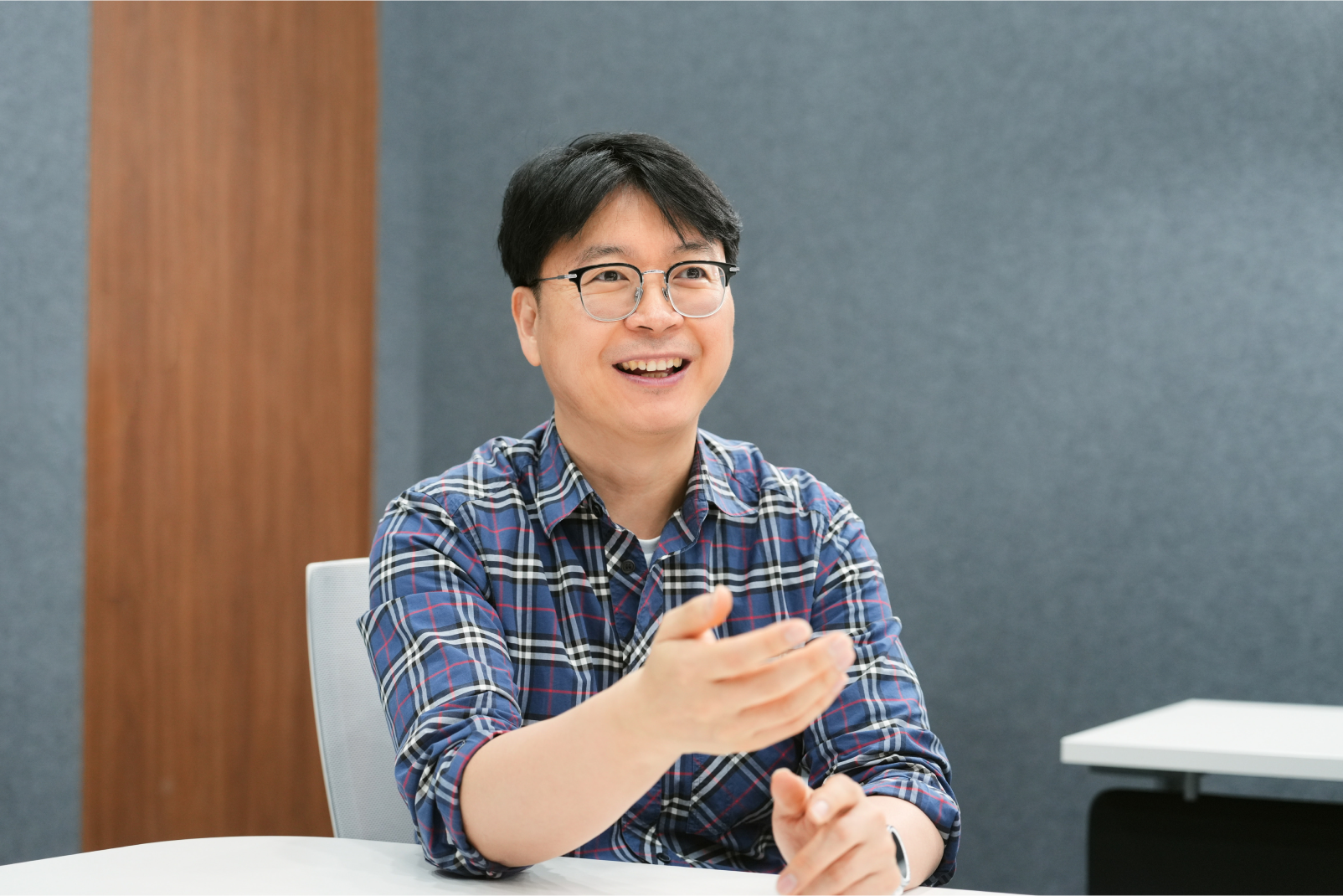
Yusuf Cinar: The Detachable AutoSSD is built on the E1.A form factor, created by adapting the strengths of the E1.S standard—widely used in data centers, while meeting far more rigorous automotive conditions. While E1.S provides benefits in size, capacity and interface standardization, E1.A extends these advantages to endure tough in-vehicle environments. Reliability in autonomous systems begins with robust electrical connection integrity—any interruption can impact perception, decision-making, or vehicle and pedestrian safety. Automotive systems face intense vibration, temperature shifts, mechanical shock, and moisture exposure.
From the earliest development stages in 2019, achieving long-term connection reliability was a core design priority. To support this, we strengthened the enclosure-validated against automotive environment standards-and designed it to mount securely with two screw-fixation points. We also developed connectors and adapters compliant with USCAR (United States Council for Automotive Research) guidelines and implemented a dual-locking mechanism using CPA (Connector Position Assurance). This ensures the connector is fully seated and prevents accidental disconnection due to shock or vibration.
Throughout development, we collaborated closely with automotive partners for this auto-grade innovative solution. The Detachable AutoSSD fully complies with USCAR’s design, validation and testing standards and is expected to move toward industry-wide standardization through SNIA (Solid State Storage Industry Association).

Q. Looking ahead, how do you expect the Detachable AutoSSD to shape the future of automotive storage?
Jungwook Kim: The automotive landscape is evolving rapidly. Five years ago, electric vehicles and autonomous driving were still emerging concepts; today, they are advancing at remarkable speed. As we look ahead, we expect Level 3 and Level 4 autonomous vehicles—and even humanoid robotic systems—to become far more widespread.
The Detachable AutoSSD is designed not just for today but for the next generation of autonomous and humanoid platforms. We believe Samsung’s detachable, high-capacity storage will become the new standard across these future applications.
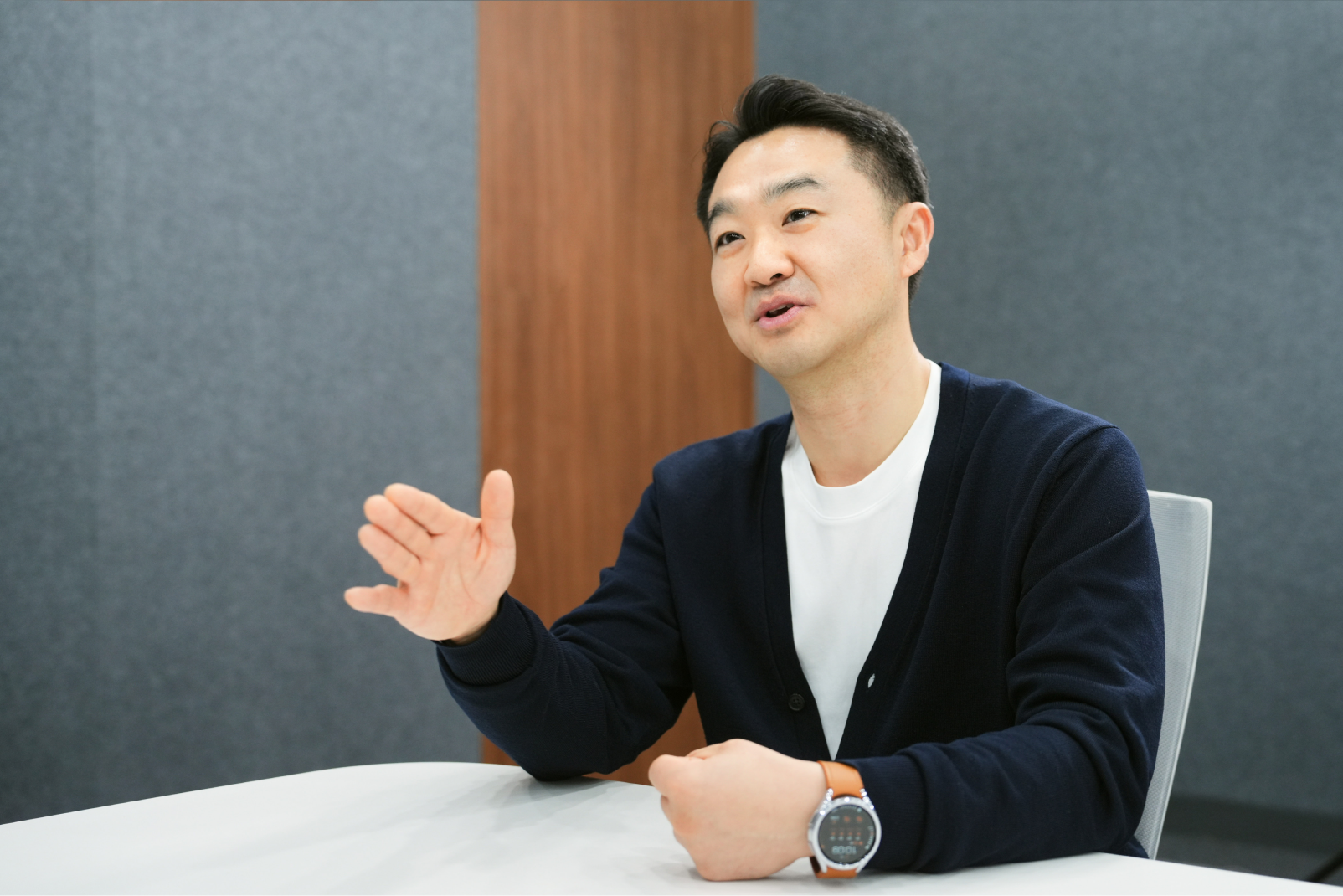
Kyu-Dong Kim: The Detachable AutoSSD is the first module-type, high-performance, high-capacity storage solution designed specifically for automotive platforms. As physical AI accelerates the development of advanced robotics, we anticipate its use extending beyond vehicles into a broad range of intelligent robot systems.
The Detachable AutoSSD is more than an automotive component—it represents a new standard for the era of autonomous mobility and intelligent machines. Honored as a CES Innovation Award 2026 recipient, Samsung’s Detachable AutoSSD will be showcased at the Las Vegas Convention Center from January 6 to 9, 2026. Learn more about Samsung’s Automotive SSD.
* All images shown are provided for illustrative purposes only and may not be an exact representation of the product. All images are digitally edited, modified, or enhanced.
* All product specifications reflect internal test results and are subject to variations by user's system configurations. Actual performance may vary depending on use conditions and environment.

 Global