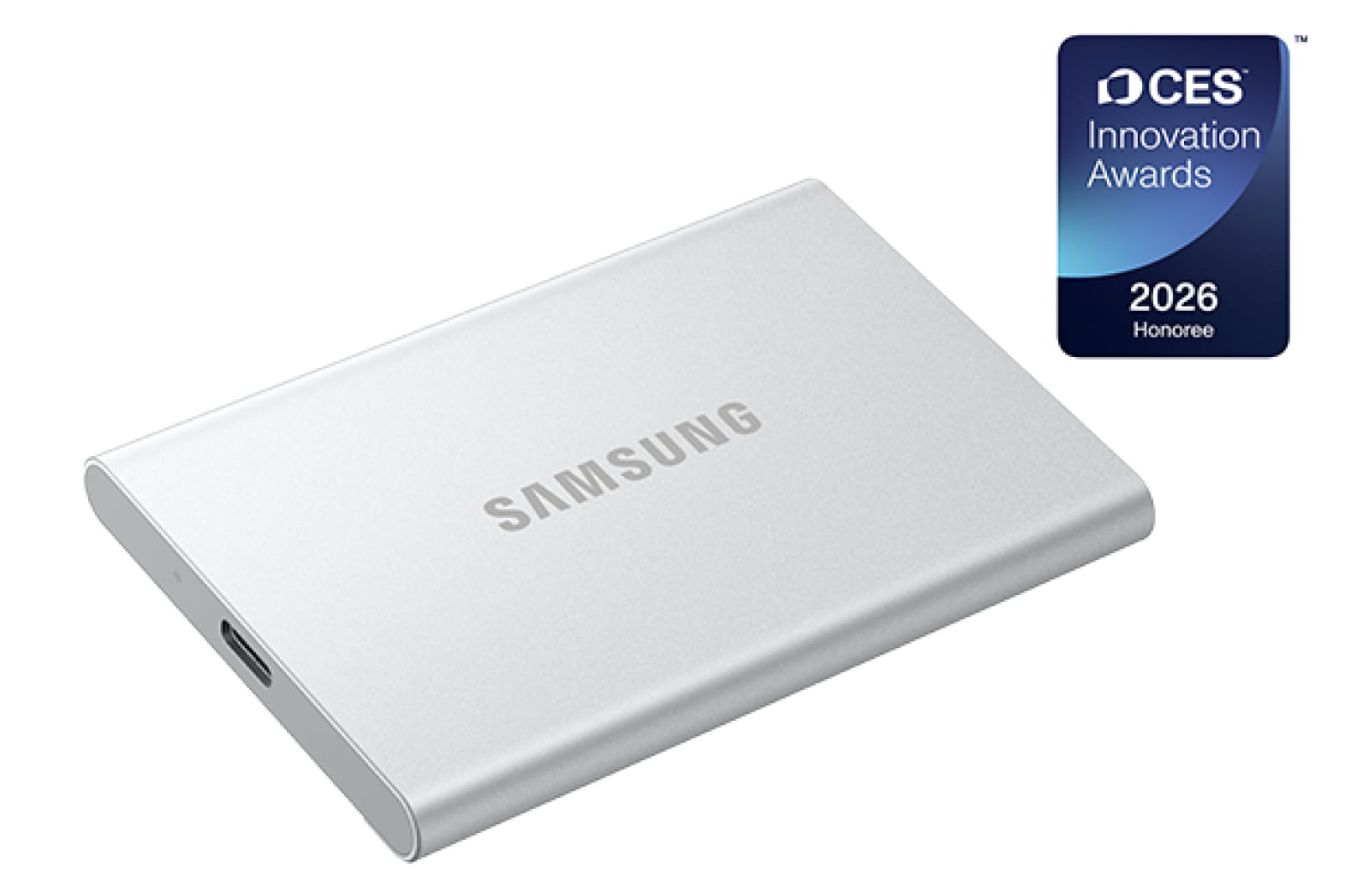
Samsung Semiconductor earned seven CES Innovation Awards® this year, demonstrating how semiconductor technology continues to drive innovation across industries and elevate everyday life far beyond the functions of individual components. Among the honorees, Portable SSD T7 Resurrected—winner in the Sustainability & Energy Transition category—showcases Samsung’s commitment to circular design by delivering the performance of the T7 series while adopting a 100% recycled aluminum enclosure.
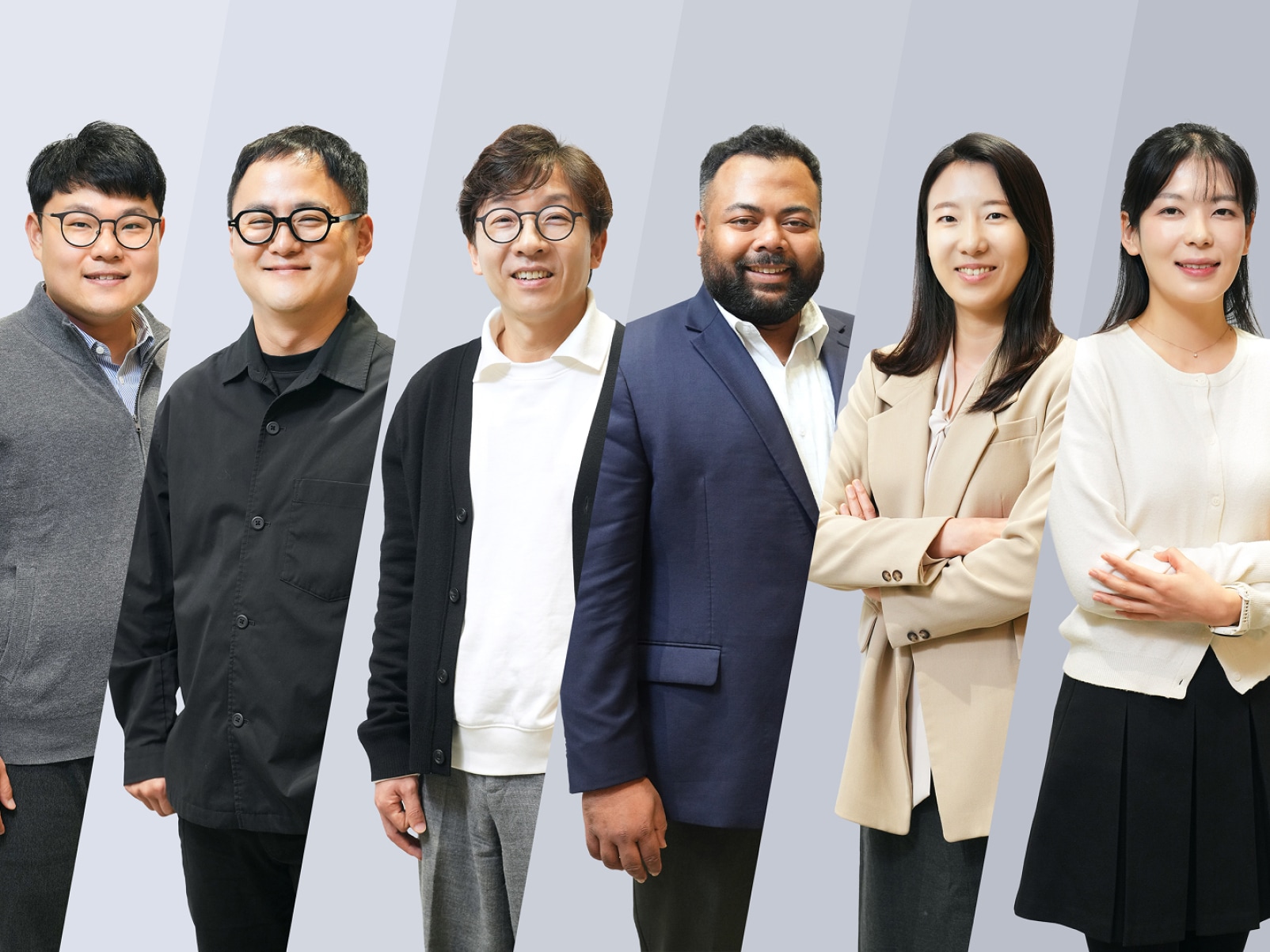
We spoke with the cross-functional experts who led this innovation: Scott Jung from Product Development Planning, Hyung sup Shim from Product Design, Minhyouk Kim from the Future Design & Innovations team(CDO), and Jit Mondal, Yuri Cho, and Sophie Heo from the Brand Product Marketing Group.
Q. To start, please give a brief introduction to the T7 Resurrected that won the CES® 2026 Innovation Award.
Scott Jung: T7 Resurrected builds on the core of our flagship portable SSD, the T7, but was developed with a focus on circular material use. While T7 Shield was our first attempt at utilizing aluminum scrap from smartphone production, this model takes it a step further by using 100% recycled aluminum for its enclosure and recycled paper packaging to help reduce environmental impact.
Despite the material changes, it maintains the T7’s strengths—speed, durability, and overall performance. In that sense, we see T7 Resurrected as a clear example that technical quality and responsible design can coexist in a meaningful way.
Q. T7 Resurrected takes a noticeably different approach compared to previous Samsung Memory products. Could you explain what led to its development?
Jit Mondal: This project started from a question we’d been discussing internally for quite some time: How can we realistically embed social and environmental considerations into our development process? T7 Resurrected is the result of applying that idea step by step and treating it as a core principle throughout the project.
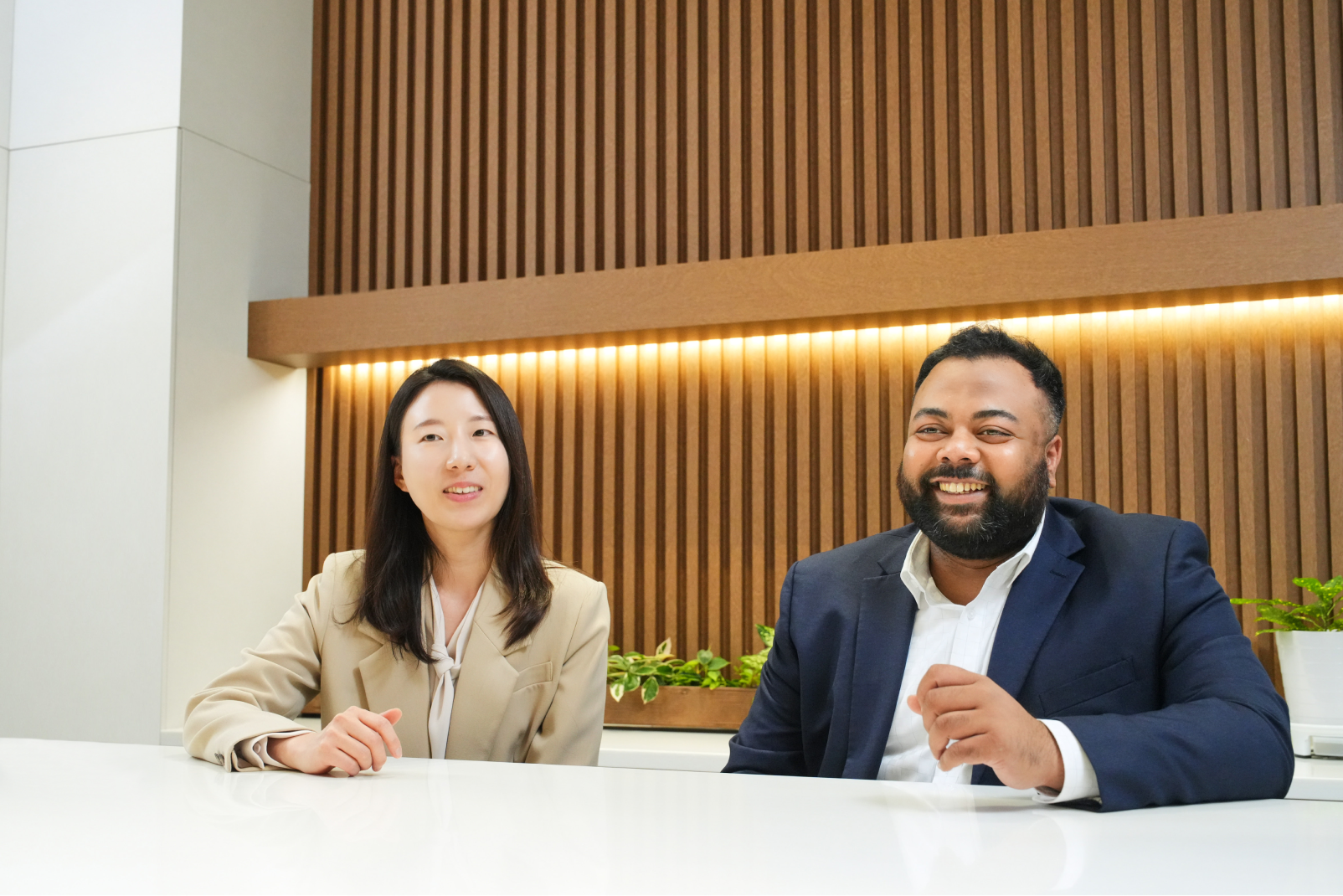
Yuri Cho: Exactly. We’ve also seen this shift reflected in consumer behavior. Recently, especially among Gen. Z more people are looking for products that account for environmental impact.
Portable SSDs have traditionally been chosen based on performance and price, but when those factors are equal, sustainability is becoming a meaningful differentiator.
With that in mind, we approached this product by maximizing the use of recycled materials, which led to the idea of creating a portable SSD with a 100% recycled aluminum enclosure—T7 Resurrected.
Q. Applying a 100% recycled aluminum enclosure must have been a significant design challenge.
What were the main difficulties during development?
Hyung sup Shim: That’s true. Minimizing the surface-quality variation of recycled aluminum while still achieving a premium finish was one of the most challenging tasks in my design career.
For T7 Resurrected, we wanted to express the material’s natural color and texture without any additional coloring process. To do that, we went through dozens of iterations adjusting and verifying both the sandblasted¹⁾ surface texture and the anodizing²⁾ conditions until we reached the level of quality we were aiming for.
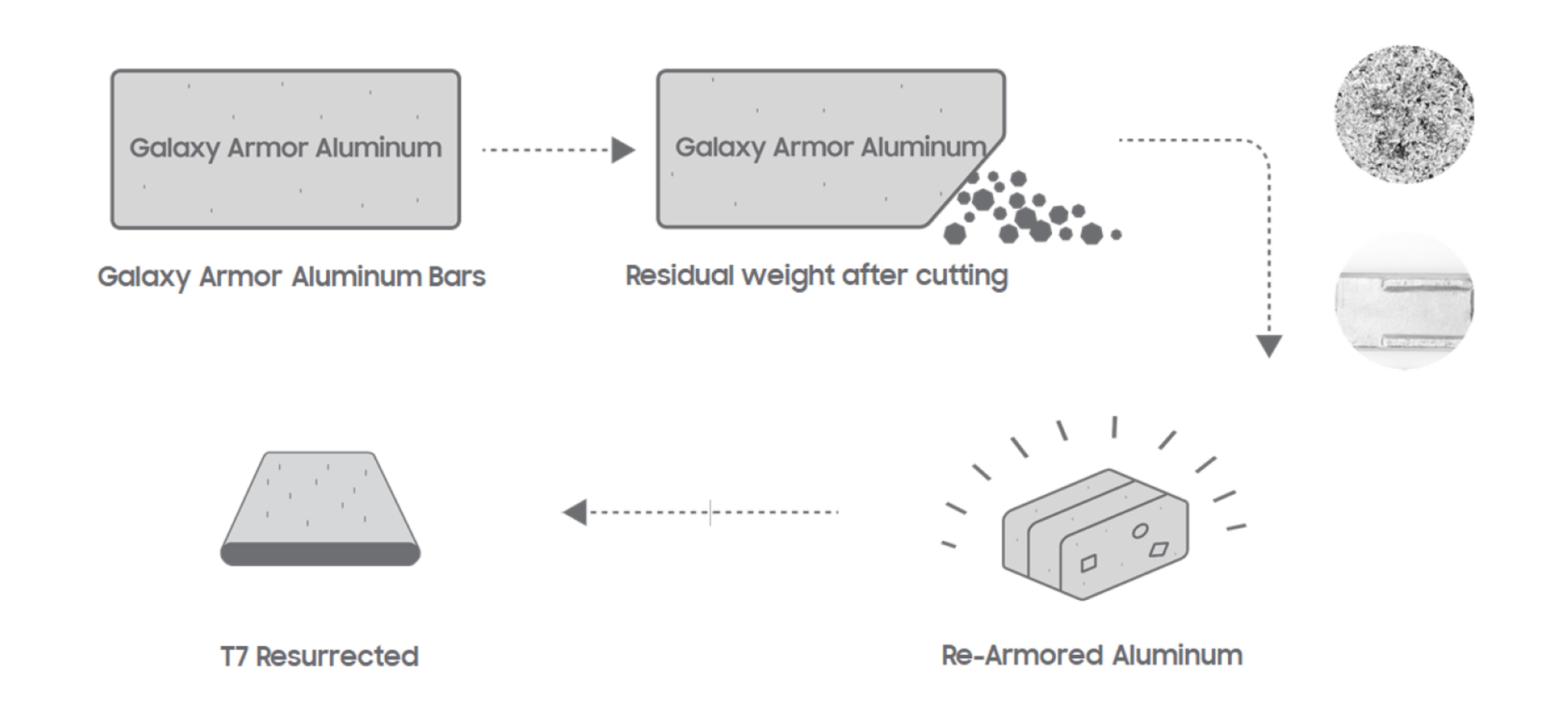
Minhyouk Kim: From a cross-division collaboration standpoint, this project was also challenging. Because T7 Resurrected uses aluminum waste generated during smartphone production, we needed alignment across both the DS and DX divisions, and that was not always easy.
However, the Future Design & Innovations team(CDO) had already been coordinating long-term discussions with each division since the development of T7 Shield, clarifying roles and expectations. That groundwork made it possible for us to move forward, and ultimately enabled T7 Resurrected to come to market.
Q. Given that T7 Resurrected is built around circular material use, what required the most attention as you prepared for the launch?
Yuri Cho: Unlike previous consumer memory products from Samsung, T7 Resurrected puts its sustainability value front and center. With growing public awareness of environmental issues, it was critical that every part of our communication was fact-based so there would be no concerns about greenwashing. Ensuring that accuracy was our top priority throughout the preparation.
Jit Mondal: Looking back, everything from the naming to the messaging involved an unprecedented amount of coordination. We needed extensive legal and compliance reviews for the product name, sustainability-related claims, marketing copies, and all customer-facing materials.
Throughout that process, we worked closely with teams across Compliance, Legal, Corporate Sustainability Management, and Carbon Strategy Group to make sure every expression aligned with facts. That collaboration is what allowed us to build a communication framework we could stand behind.
Q. The name “T7 Resurrected” carries a distinct impression. What value did you intend to convey through it, and what value do you hope it brings to consumers’ everyday experience?
Sophie Heo: This year, we refreshed the brand framework for Samsung Consumer Memory and redesigned both the product lineup and naming principles with a stronger focus on our customers. As the first example of that renewed approach, “T7 Resurrected” reflects a clear identity: while carrying over the T7’s strong performance, the product is “reborn” by reprocessing aluminum scrap into a new form.
It’s more than just a name—it represents the direction of our updated brand system. Future products will also be shaped by user personas and emotional storytelling that align with each product’s identity, allowing us to build deeper resonance with consumers.

Yuri Cho: I see T7 Resurrected not simply as another eco-friendly product, but as something that can give environmentally conscious consumers a new option and help broaden and connect the value of sustainability. That’s why I hope it becomes a seed for change.
It may sound a bit abstract or ambitious, but I truly hope that more responsible action toward environmental issues spreads—not only among companies that make products, but also among consumers who choose them—and ultimately leads to meaningful changes in our everyday lives.
Q. Looking ahead, how do you expect Samsung’s memory products to evolve from the perspective of circular design?
Hyung sup Shim: The message behind T7 Resurrected is clear: sustainability should go beyond functional improvement and become a design language that consumers can directly see, feel, and choose. This product marks the first substantial step in applying recycled materials across our memory lineup and establishes a foundation for making sustainability a core pillar of future memory products.
Building on that foundation, we plan to broaden the range of recycled materials we use—extending beyond aluminum to plastics, glass, and bio-based materials—to expand the scope of circular-memory products. While doing so, Samsung Memory will continue to ensure performance stability and data reliability, while advancing design innovations that embody environmental value.
Minhyouk Kim: As mentioned earlier, this project is a representative example of collaboration across CDO, DX, and DS. With T7 Resurrected as the starting point, Samsung’s circular-design strategy will now move into a more active phase.
Going forward, we plan to expand a circular ecosystem that reuses waste materials generated from a wide range of product categories—including smartphones, home appliances, and computers. And as noted earlier, we will continue identifying diverse recycled materials to build a unified design language that integrates technology, design, and environmental considerations.
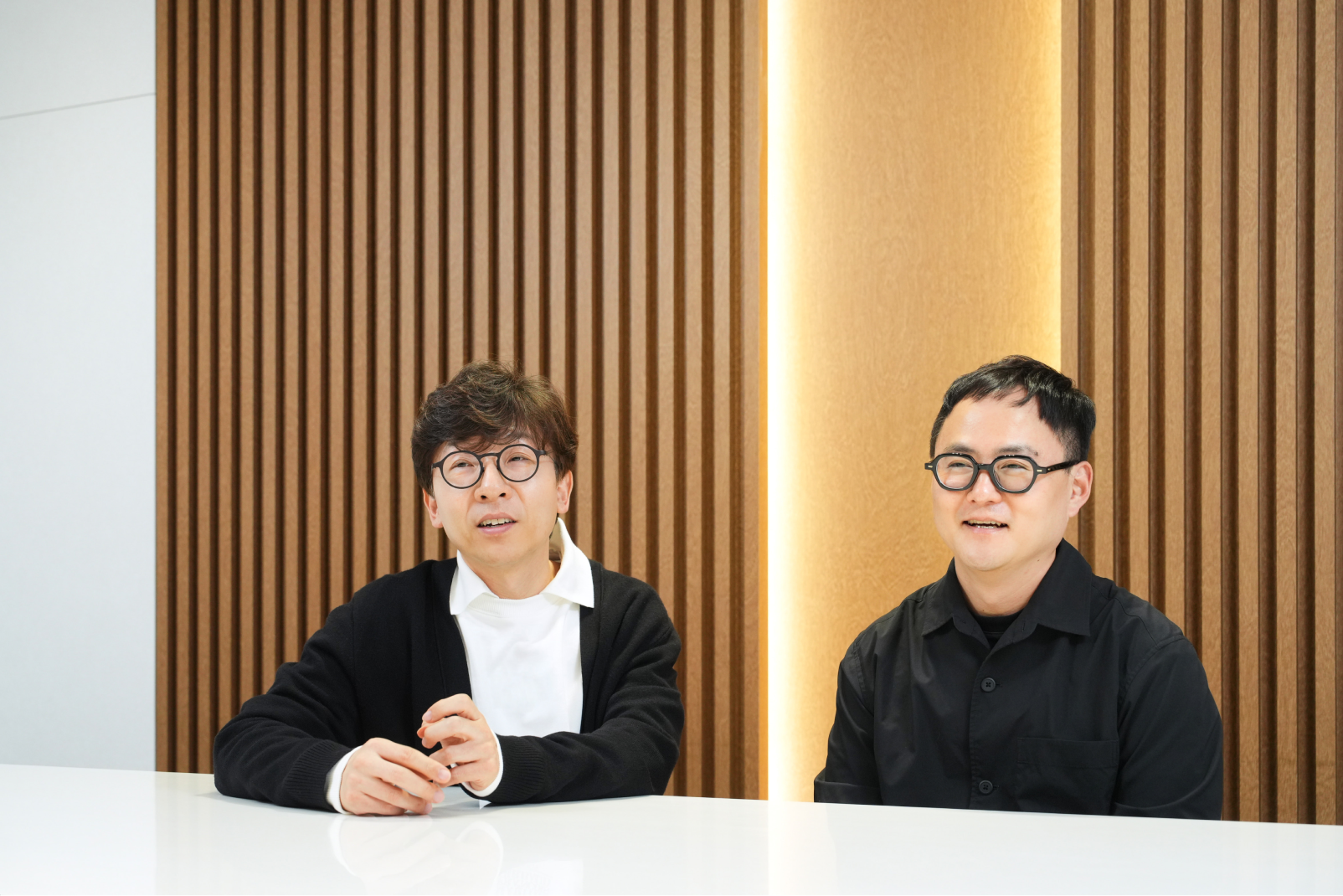
Q. Lastly, could you share a bit about the direction of innovation Samsung Memory is preparing for going forward?
Jit Mondal: The sustainable design principles applied to T7 Resurrected will not be limited to portable SSDs—they will expand to a broader range of products, including internal SSDs, memory cards, and USB flash drives. We also plan to minimize the use of chemical treatments across materials, processes, and packaging by incorporating a wider set of circular materials.
Scott Jung: Alongside circular design efforts, we’re preparing a range of technical and functional innovations. This includes SSDs adopting faster interfaces and derivative products optimized for camera use. We aim to strengthen our lineup to support a wide variety of consumer needs—
and before I say too much, I should probably stop here. We hope you’ll continue to look forward to what’s next from Samsung Memory.
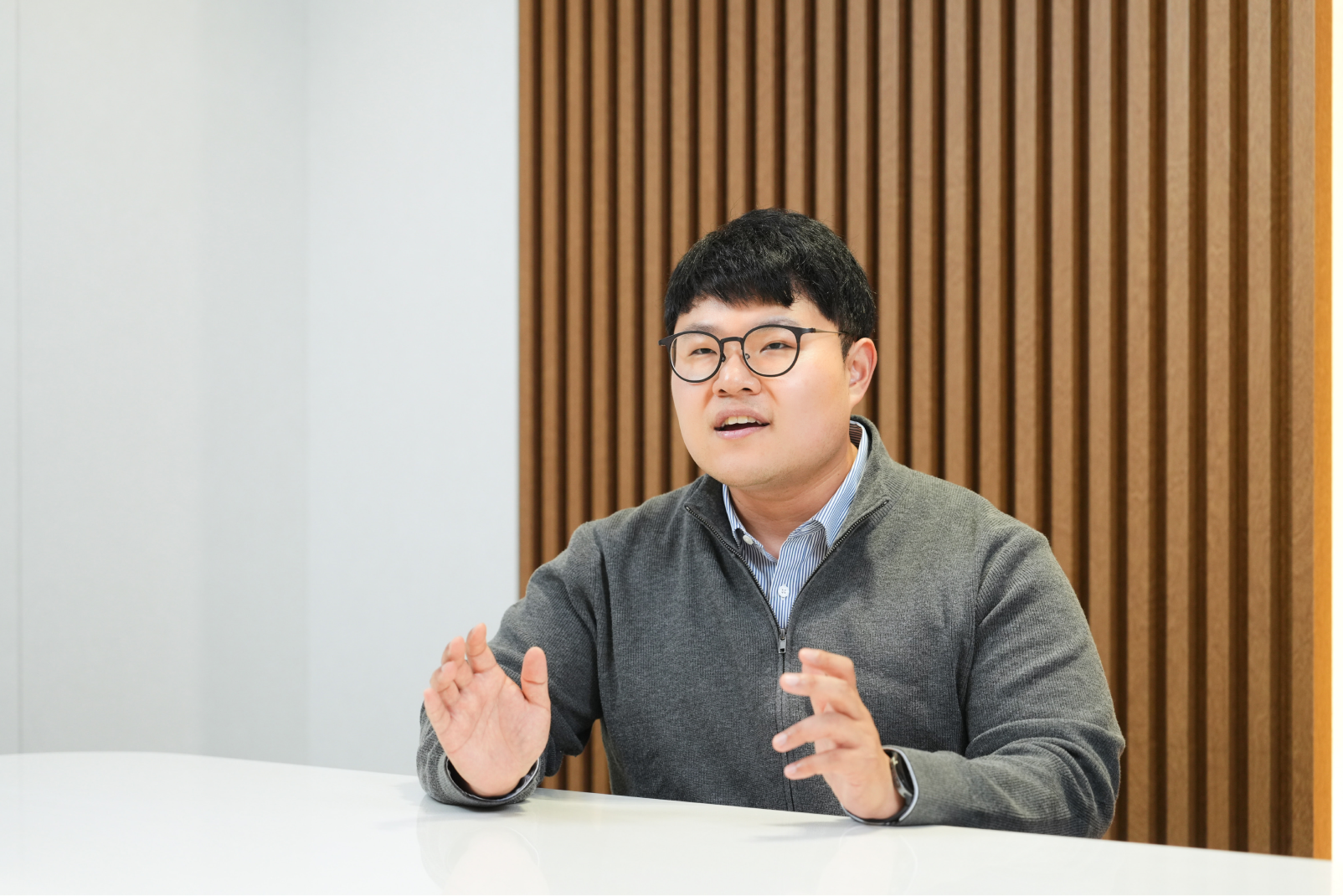
Honored as a CES Innovation Award 2026 recipient, Samsung’s Portable SSD T7 Resurrected will be showcased at the Venetian Expo in Las Vegas during CES from January 6 to 9, 2026.
* All images shown are provided for illustrative purposes only and may not be an exact representation of the product. All images are digitally edited, modified, or enhanced.
* All product specifications reflect internal test results and are subject to variations by user's system configurations. Actual performance may vary depending on use conditions and environment.
1) Sandblasting: A process where fine particles are blasted at high pressure to even out the surface, remove irregularities, and create a subtle matte texture.
2) Anodizing: An electrochemical treatment that forms a controlled oxide layer on aluminum, improving durability and helping maintain stable surface color and texture.

 Global