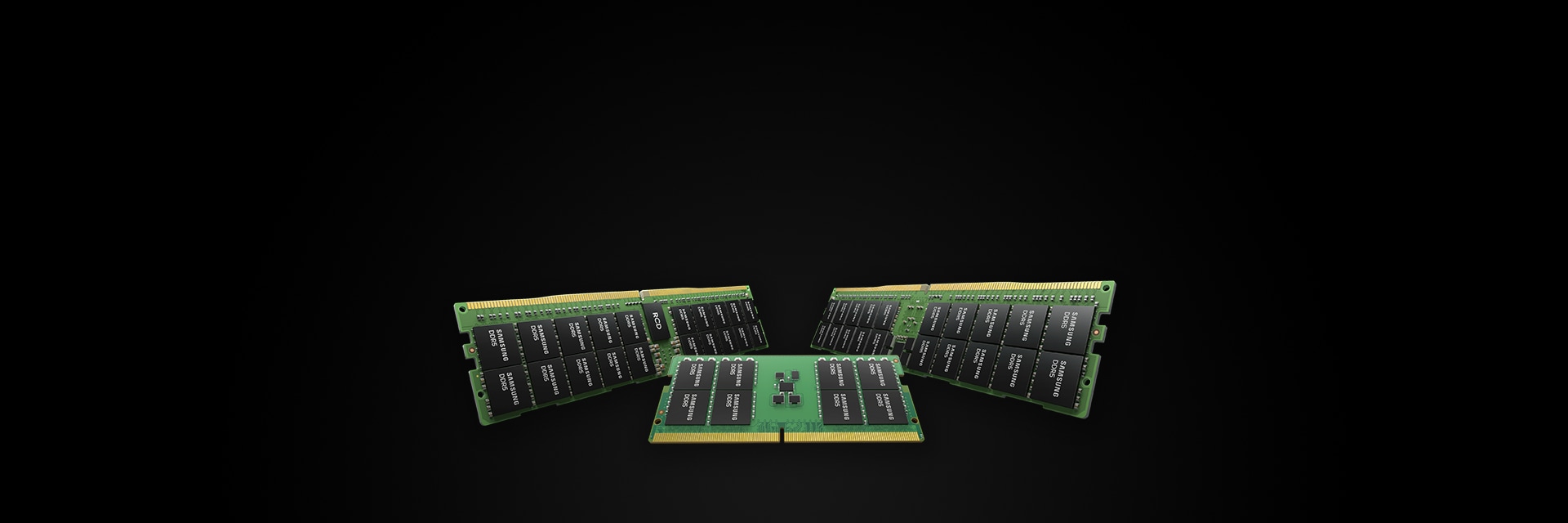
Samsung DRAM modules deliver the capacity, reliability, and platform compatibility required for PC, server, and embedded systems.
Designed to meet diverse application demands, these modules provide tailored combinations of power efficiency, consistent performance, and scalable configurations - offering the right solution for each workload.
Samsung DRAM modules deliver the capacity, reliability, and platform compatibility required for PC, server, and embedded systems.
Designed to meet diverse application demands, these modules provide tailored combinations of power efficiency, consistent performance, and scalable configurations - offering the right solution for each workload.
Samsung DRAM modules deliver the capacity, reliability, and platform compatibility required for PC, server, and embedded systems.
Designed to meet diverse application demands, these modules provide tailored combinations of power efficiency, consistent performance, and scalable configurations - offering the right solution for each workload.
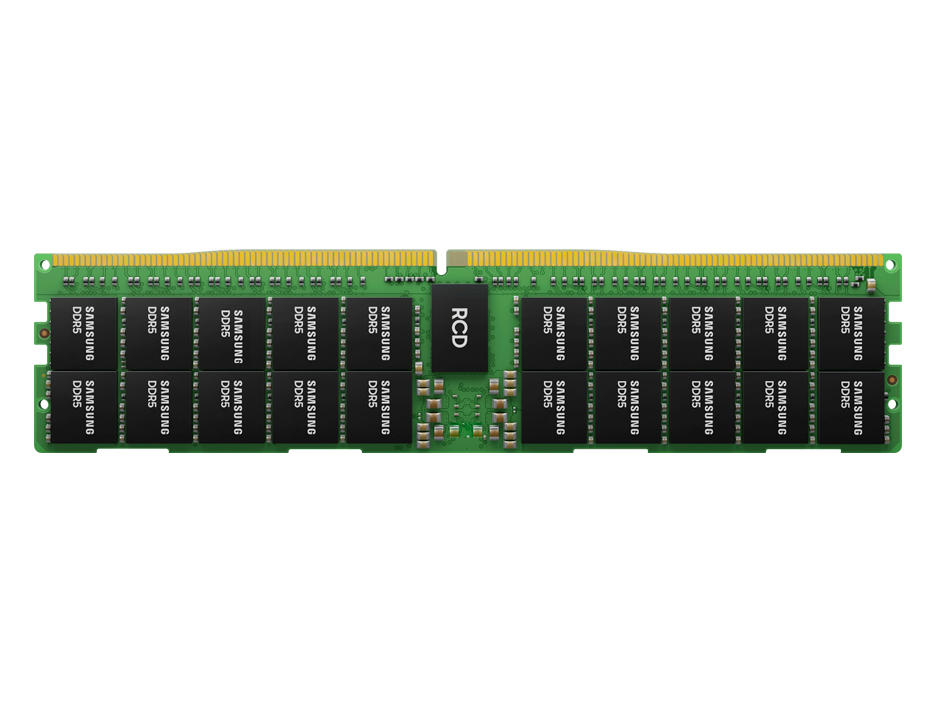

up to 256GB

up to 6,400 Mbps

1.1V, 1.2V
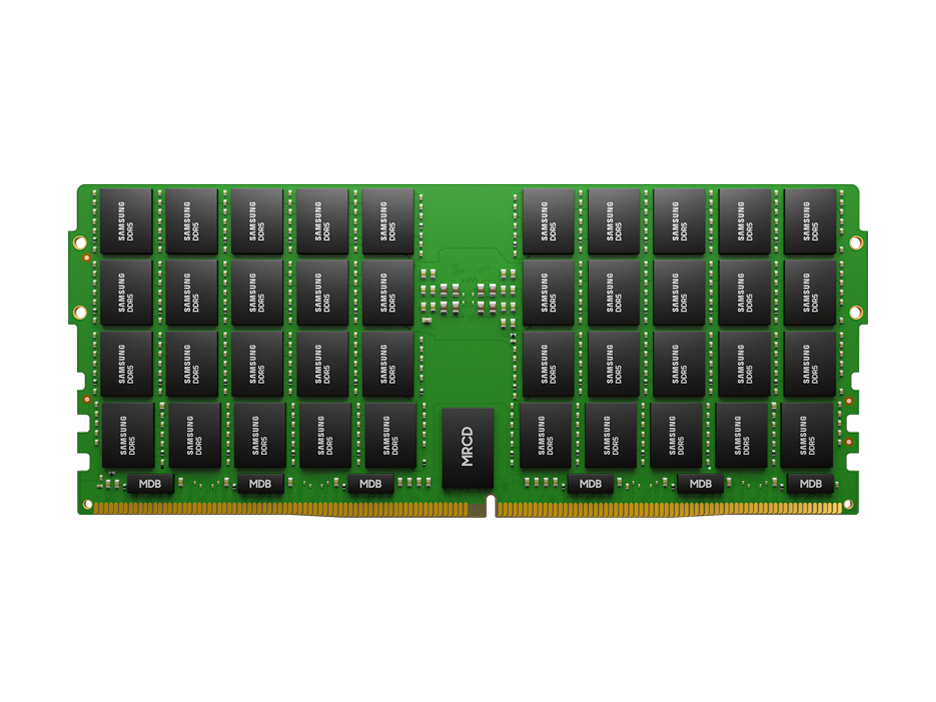
up to 256GB
up to 8,800 Mbps
1.1V
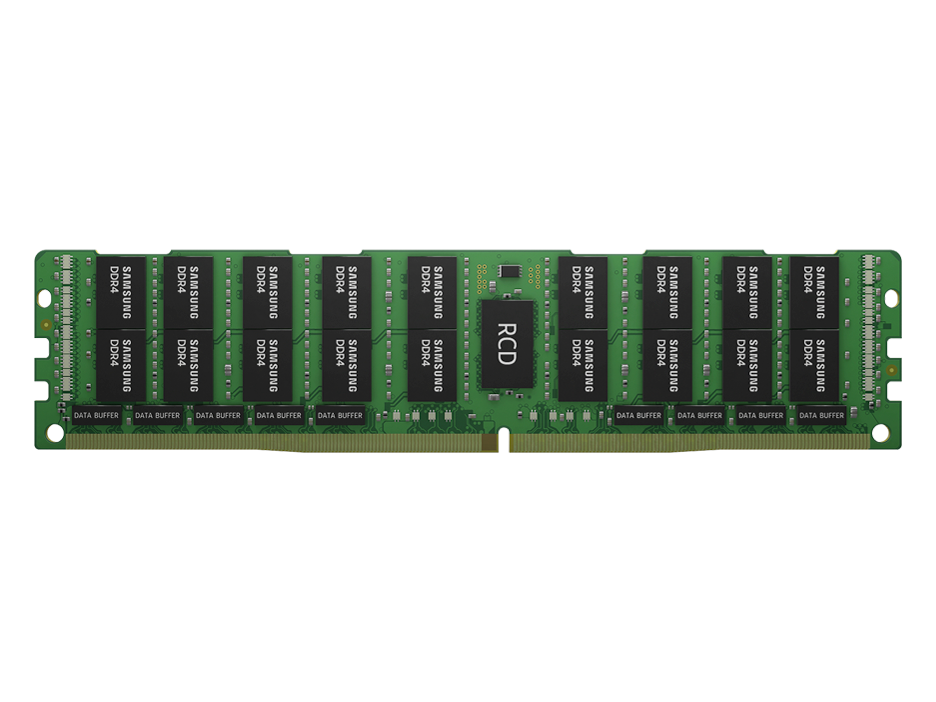
up to 128GB
up to 6,400 Mbps
1.1V, 1.2V
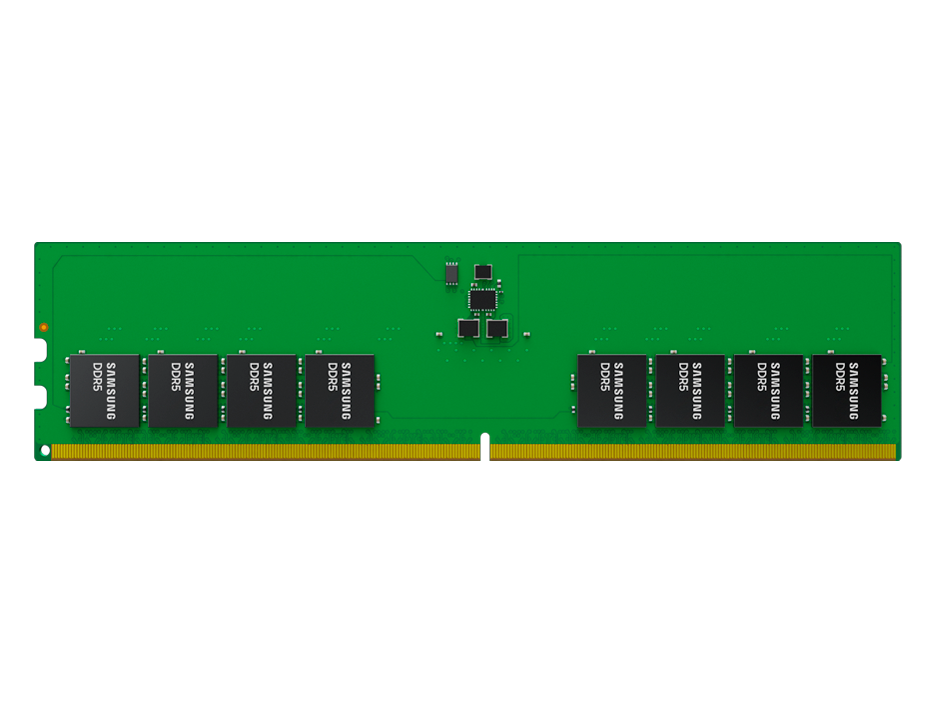
up to 32GB
up to 5,600 Mbps
1.1V, 1.2V
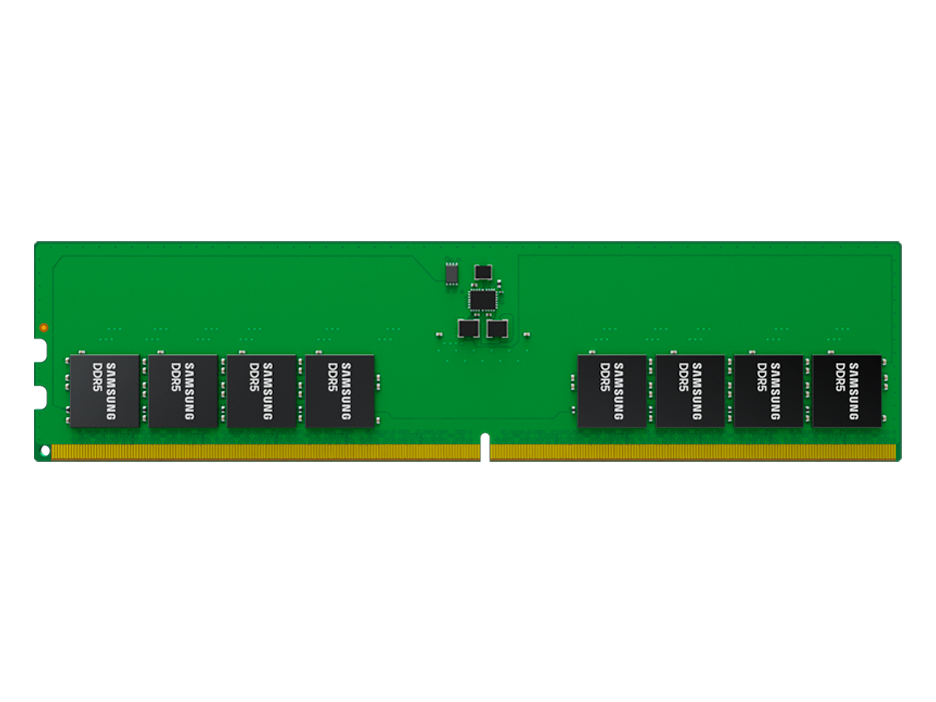
up to 32GB
up to 6,400 Mbps
1.1V, 1.2V
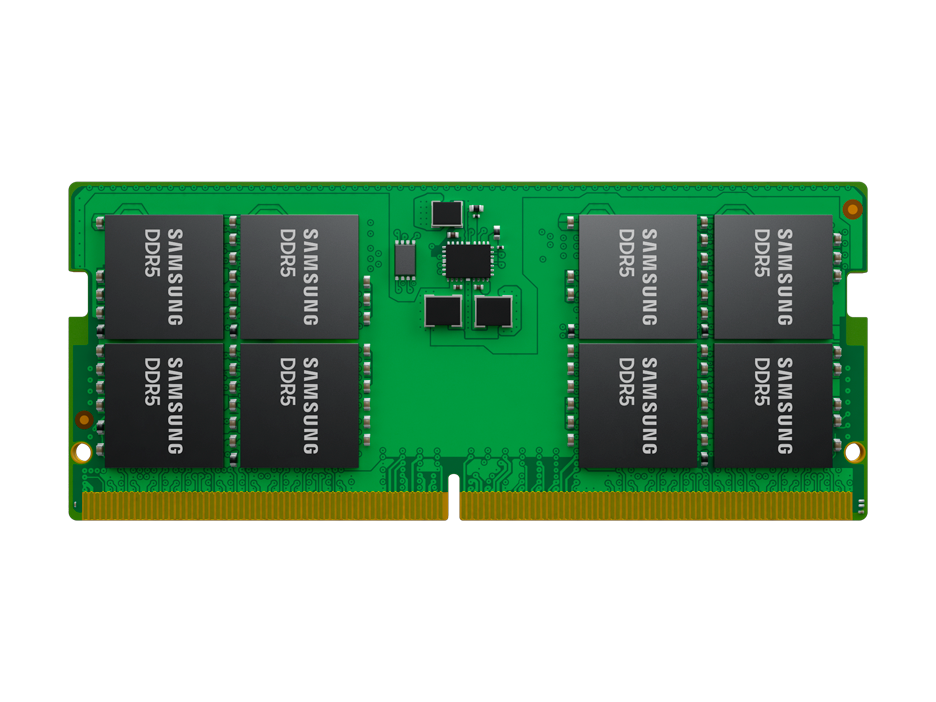
up to 32GB
up to 5,600 Mbps
1.1V, 1.2V
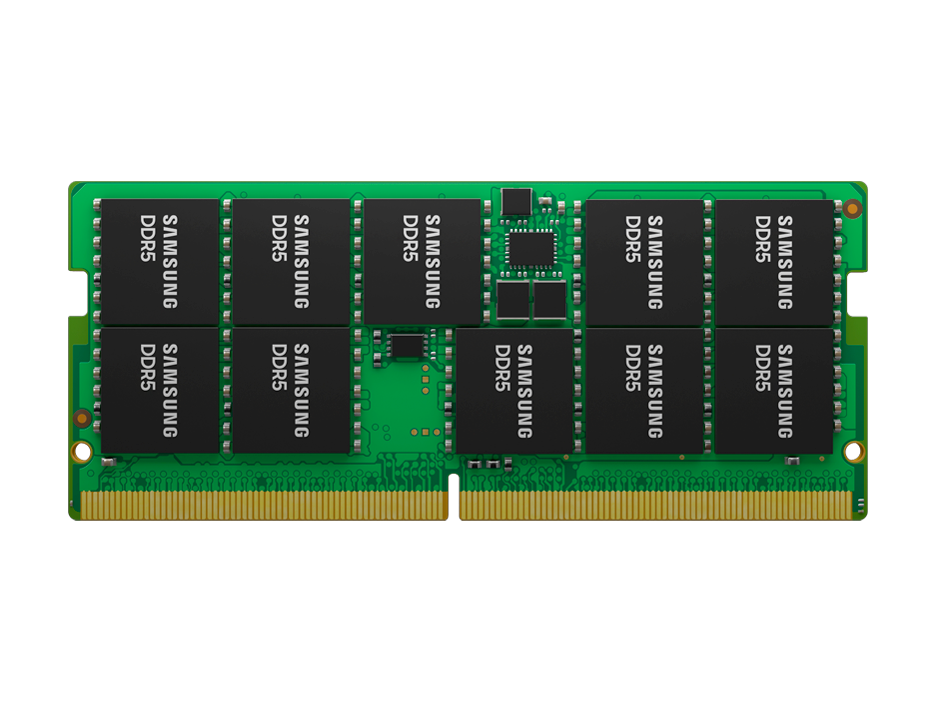
up to 32GB
up to 5,600 Mbps
1.1V, 1.2V
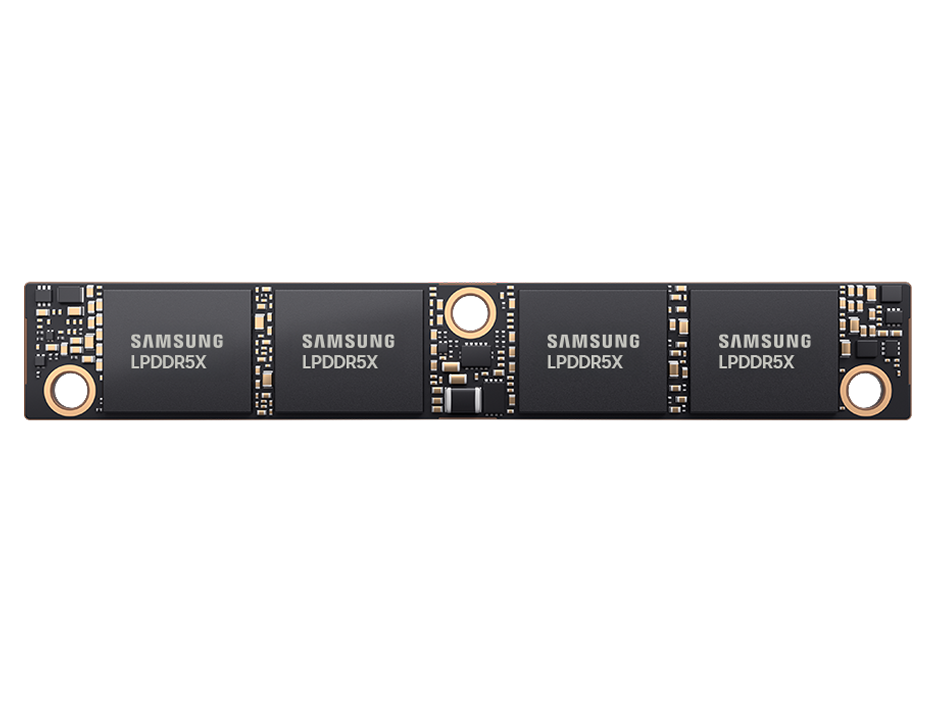
up to 256GB

up to 153.6 GB/s
1.05V
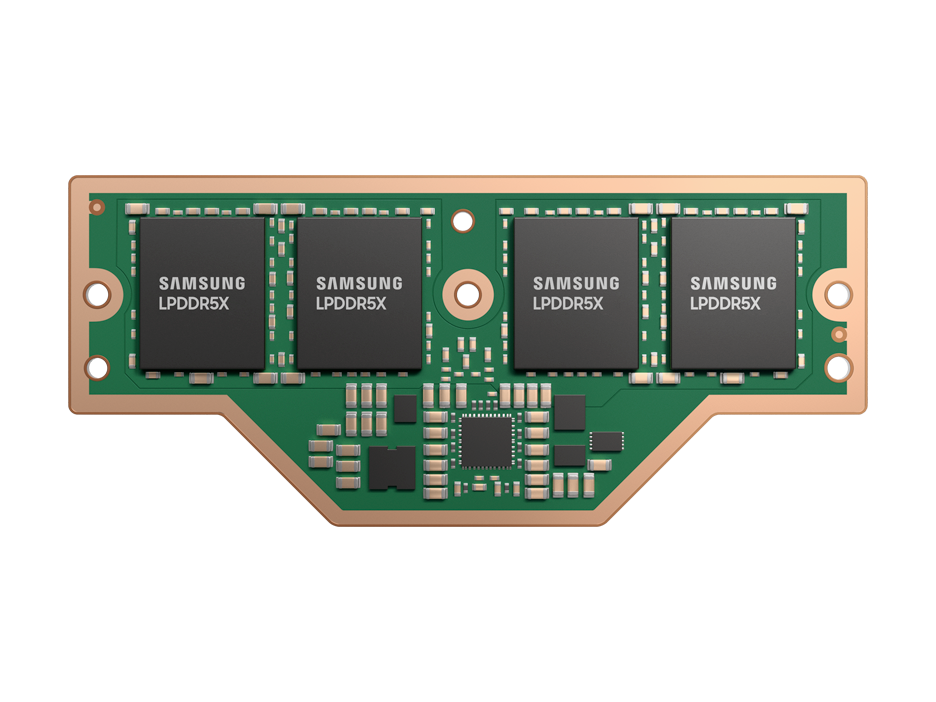
up to 64GB
up to 8,533 Mbps
1.05V
A DRAM module is a memory component that integrates multiple DRAM chips onto a small circuit board
and serves as the main memory in computers and electronic devices. These modules are manufactured
in standardized formats so they can be easily installed and recognized by different systems.
Common examples include UDIMM for desktop PCs, SO-DIMM for laptops and compact systems,
and RDIMM or LRDIMM for servers and data-center platforms.
The DRAM module temporarily stores the data required by processors such as the CPU or GPU,
enabling smooth program execution, efficient multitasking, and stable data processing.
In essence, it is an essential component that directly influences the overall
performance and responsiveness of modern computing systems.
A DRAM module is a memory component that integrates multiple DRAM chips
onto a small circuit board and serves as the main memory in computers
and electronic devices.
These modules are manufactured in standardized formats so they can be
easily installed and recognized by different systems.
Common examples include UDIMM for desktop PCs, SO-DIMM for laptops and
compact systems, and RDIMM or LRDIMM for servers and data-center platforms.
The DRAM module temporarily stores the data required by processors such
as the CPU or GPU, enabling smooth program execution, efficient
multitasking, and stable data processing.
In essence, it is an essential component that directly influences the
overall performance and responsiveness of modern computing systems.
A DRAM module is a memory component that integrates multiple DRAM chips onto a small circuit board and serves as the main memory in computers and electronic devices. These modules are manufactured in standardized formats so they can be easily installed and recognized by different systems. Common examples include UDIMM for desktop PCs, SO-DIMM for laptops and compact systems, and RDIMM or LRDIMM for servers and data-center platforms.
The DRAM module temporarily stores the data required by processors such as the CPU or GPU, enabling smooth program execution, efficient multitasking, and stable data processing. In essence, it is an essential component that directly influences the overall performance and responsiveness of modern computing systems.
A DRAM chip is an individual semiconductor device that stores data temporarily using an array of memory cells.
A single DRAM chip cannot be used directly as system memory, so multiple chips are assembled onto a circuit board
to create a form that can be installed in a computer or server.
In other words, a DRAM chip is the fundamental building block of memory,
while a DRAM module is the completed memory product made by combining these chips
into a structure that computing systems can actually use.
A DRAM chip is an individual semiconductor device that stores data temporarily
using an array of memory cells. A single DRAM chip cannot be used directly
as system memory, so multiple chips are assembled onto a circuit board
to create a form that can be installed in a computer or server.
In other words, a DRAM chip is the fundamental building block of memory,
while a DRAM module is the completed memory product made by combining
these chips into a structure that computing systems can actually use.
A DRAM chip is an individual semiconductor device that stores data temporarily using an array of memory cells. A single DRAM chip cannot be used directly as system memory, so multiple chips are assembled onto a circuit board to create a form that can be installed in a computer or server.
In other words, a DRAM chip is the fundamental building block of memory, while a DRAM module is the completed memory product made by combining these chips into a structure that computing systems can actually use.
UDIMM, RDIMM, LRDIMM, and SODIMM are different types of DRAM modules
designed for specific system environments.
UDIMM (Unbuffered DIMM) is commonly used in desktop PCs and some workstations.
It has no register or buffer, which results in lower latency,
but it supports smaller memory capacities compared to server-grade modules.
RDIMM (Registered DIMM) includes a register that buffers commands
and addresses between the memory controller and the DRAM chips.
This improves signal stability and allows systems to use higher memory capacities,
making it suitable for enterprise servers and data-center platforms.
LRDIMM (Load-Reduced DIMM) uses additional buffering to further reduce the electrical load on the memory controller.
This enables servers to support very large memory capacities and improves scalability for memory-intensive workloads.
SODIMM (Small Outline DIMM) is a compact form factor used in laptops, mini PCs, and small-form-factor systems.
It functions similarly to UDIMM but is physically smaller to fit in space-constrained devices.
UDIMM, RDIMM, LRDIMM, and SODIMM are different types of DRAM modules
designed for specific system environments.
UDIMM (Unbuffered DIMM) is commonly used in desktop PCs
and some workstations.
It has no register or buffer, which results in lower latency,
but it supports smaller memory capacities compared to server-grade modules.
RDIMM (Registered DIMM) includes a register that buffers commands
and addresses between the memory controller and the DRAM chips.
This improves signal stability and allows systems to use higher memory capacities,
making it suitable for enterprise servers and data-center platforms.
LRDIMM (Load-Reduced DIMM) uses additional buffering
to further reduce the electrical load on the memory controller.
This enables servers to support very large memory capacities
and improves scalability for memory-intensive workloads.
SODIMM (Small Outline DIMM) is a compact form factor
used in laptops, mini PCs, and small-form-factor systems.
It functions similarly to UDIMM but is physically smaller
to fit in space-constrained devices.
UDIMM, RDIMM, LRDIMM, and SODIMM are different types of DRAM modules designed for specific system environments.
UDIMM (Unbuffered DIMM) is commonly used in desktop PCs and some workstations. It has no register or buffer, which results in lower latency, but it supports smaller memory capacities compared to server-grade modules.
RDIMM (Registered DIMM) includes a register that buffers commands and addresses between the memory controller and the DRAM chips. This improves signal stability and allows systems to use higher memory capacities, making it suitable for enterprise servers and data-center platforms.
LRDIMM (Load-Reduced DIMM) uses additional buffering to further reduce the electrical load on the memory controller. This enables servers to support very large memory capacities and improves scalability for memory-intensive workloads.
SODIMM (Small Outline DIMM) is a compact form factor used in laptops, mini PCs, and small-form-factor systems. It functions similarly to UDIMM but is physically smaller to fit in space-constrained devices.
Mixing different DRAM modules is generally possible,
but it may lead to limitations or instability depending on the system.
When modules with different speeds are installed together,
the entire memory will operate at the speed of the slowest module.
If the capacities differ,
the system may run in a reduced or asymmetric memory mode, which can affect performance.
Using different brands is usually not an issue,
but differences in timing, voltage, or internal design can occasionally cause compatibility problems.
For the most stable operation,
it is recommended to use DRAM modules that match in speed, capacity, and manufacturer whenever possible.
Mixing different DRAM modules is generally possible,
but it may lead to limitations or instability depending on the system.
When modules with different speeds are installed together,
the entire memory will operate at the speed of the slowest module.
If the capacities differ,
the system may run in a reduced or asymmetric memory mode,
which can affect performance.
Using different brands is usually not an issue,
but differences in timing, voltage, or internal design can occasionally
cause compatibility problems.
For the most stable operation,
it is recommended to use DRAM modules that match in speed, capacity,
and manufacturer whenever possible.
Mixing different DRAM modules is generally possible, but it may lead to limitations or instability depending on the system.
When modules with different speeds are installed together, the entire memory will operate at the speed of the slowest module.
If the capacities differ, the system may run in a reduced or asymmetric memory mode, which can affect performance.
Using different brands is usually not an issue, but differences in timing, voltage, or internal design can occasionally cause compatibility problems.
For the most stable operation, it is recommended to use DRAM modules that match in speed, capacity, and manufacturer whenever possible.
ECC (Error-Correcting Code) memory is a type of DRAM module that can detect and correct single-bit errors during data processing.
These errors can occur naturally from electrical interference, cosmic rays, or signal noise, and although small,
they can lead to data corruption or system instability.
ECC memory is mainly used in servers, workstations, and mission-critical systems where data accuracy, uptime,
and reliability are essential. Most consumer desktops and laptops do not require ECC memory, and many do not support it.
However, if you operate workloads involving scientific computing, financial systems, medical applications, AI training,
or enterprise-grade servers, ECC memory may be necessary to ensure system stability and data integrity.
ECC (Error-Correcting Code) memory is a type of DRAM module that can detect and correct single-bit errors
during data processing. These errors can occur naturally from electrical interference, cosmic rays, or signal noise,
and although small, they can lead to data corruption or system instability.
ECC memory is mainly used in servers, workstations, and mission-critical systems
where data accuracy, uptime, and reliability are essential.
Most consumer desktops and laptops do not require ECC memory, and many do not support it.
However, if you operate workloads involving scientific computing, financial systems, medical applications,
AI training, or enterprise-grade servers, ECC memory may be necessary to ensure system stability and data integrity.
ECC (Error-Correcting Code) memory is a type of DRAM module that can detect and correct single-bit errors during data processing. These errors can occur naturally from electrical interference, cosmic rays, or signal noise, and although small, they can lead to data corruption or system instability.
ECC memory is mainly used in servers, workstations, and mission-critical systems where data accuracy, uptime, and reliability are essential. Most consumer desktops and laptops do not require ECC memory, and many do not support it.
However, if you operate workloads involving scientific computing, financial systems, medical applications, AI training, or enterprise-grade servers, ECC memory may be necessary to ensure system stability and data integrity.
RDIMM (Registered DIMM) is a type of server memory module that includes a register
between the memory controller and the DRAM chips.
This register buffers or “stabilizes” the command and address signals before they reach the DRAM chips,
reducing electrical load on the memory controller. Because of this architecture, RDIMMs provide greater reliability and
support higher memory capacities compared to unbuffered modules, making them widely used in enterprise servers and
data-center systems. RDIMMs are designed specifically for server environments and are
not compatible with standard desktop or laptop systems.
RDIMM (Registered DIMM) is a type of server memory module that includes a register
between the memory controller and the DRAM chips.
This register buffers or “stabilizes” the command and address signals before they reach
the DRAM chips, reducing electrical load on the memory controller. Because of this
architecture, RDIMMs provide greater reliability and support higher memory capacities
compared to unbuffered modules, making them widely used in enterprise servers and
data-center systems. RDIMMs are designed specifically for server environments and are
not compatible with standard desktop or laptop systems.
RDIMM (Registered DIMM) is a type of server memory module that includes a register between the memorycontroller and the DRAM chips.
This register buffers or “stabilizes” the command and address signals before they reach the DRAM chips, reducing electrical load on the memory controller. Because of this architecture, RDIMMs provide greater reliability and support higher memory capacities compared to unbuffered modules, making them widely used in enterprise servers and data-center systems. RDIMMs are designed specifically for server environments and are not compatible with standard desktop or laptop systems.
RDIMM and ECC RDIMM are closely related, but not exactly the same.
All RDIMMs designed for server use already include ECC (Error-Correcting Code) functionality by default.
The term RDIMM generally refers to server-grade registered modules that inherently support ECC,
even when “ECC” is not explicitly stated in the name.
When the term ECC RDIMM is used, it is simply emphasizing that the RDIMM includes ECC error-correcting capabilities.
Functionally, there is no difference—an RDIMM for servers is an ECC-enabled registered module by definition.
In short, RDIMM and ECC RDIMM operate the same way, and the naming difference only reflects
whether the ECC feature is explicitly highlighted.
RDIMM and ECC RDIMM are closely related, but not exactly the same.
All RDIMMs designed for server use already include
ECC (Error-Correcting Code) functionality by default.
The term RDIMM generally refers to server-grade registered modules
that inherently support ECC, even when “ECC” is not explicitly stated in the name.
When the term ECC RDIMM is used,
it is simply emphasizing that the RDIMM includes ECC error-correcting capabilities.
Functionally, there is no difference—an RDIMM
for servers is an ECC-enabled registered module by definition.
In short, RDIMM and ECC RDIMM operate the same way, and the naming difference only reflects
whether the ECC feature is explicitly highlighted.
RDIMM and ECC RDIMM are closely related, but not exactly the same.
All RDIMMs designed for server use already include ECC (Error-Correcting Code) functionality by default. The term RDIMM generally refers to server-grade registered modules that inherently support ECC, even when “ECC” is not explicitly stated in the name.
When the term ECC RDIMM is used, it is simply emphasizing that the RDIMM includes ECC error-correcting capabilities. Functionally, there is no difference—an RDIMM for servers is an ECC-enabled registered module by definition.
In short, RDIMM and ECC RDIMM operate the same way, and the naming difference only reflects whether the ECC feature is explicitly highlighted.
DIMMs are not inherently faster than UDIMMs.
In fact, RDIMMs usually have slightly higher latency because they use a register to buffer command and address signals.
This additional buffering improves signal stability but adds a small amount of delay.
However, the purpose of RDIMM is not raw speed.
RDIMMs are designed for servers that require higher memory capacity, stability, and scalability.
In large memory configurations, RDIMMs can maintain stable performance where UDIMMs may become limited.
UDIMMs may offer lower latency, while RDIMMs provide better stability and support for larger memory capacities,
especially in enterprise server environments.
DIMMs are not inherently faster than UDIMMs.
In fact, RDIMMs usually have slightly higher latency
because they use a register to buffer command and address signals.
This additional buffering improves signal stability but adds a small amount of delay.
However, the purpose of RDIMM is not raw speed.
RDIMMs are designed for servers that require higher memory capacity, stability,
and scalability. In large memory configurations, RDIMMs can maintain
stable performance where UDIMMs may become limited.
UDIMMs may offer lower latency,
while RDIMMs provide better stability and support for larger memory capacities,
especially in enterprise server environments.
DIMMs are not inherently faster than UDIMMs. In fact, RDIMMs usually have slightly higher latency because they use a register to buffer command and address signals. This additional buffering improves signal stability but adds a small amount of delay.
However, the purpose of RDIMM is not raw speed. RDIMMs are designed for servers that require higher memory capacity, stability, and scalability. In large memory configurations, RDIMMs can maintain stable performance where UDIMMs may become limited.
UDIMMs may offer lower latency, while RDIMMs provide better stability and support for larger memory capacities, especially in enterprise server environments.
RDIMMs and UDIMMs are not compatible with each other.
Most desktop systems are designed to support only UDIMMs, while servers specify whether they support
RDIMMs or UDIMMs exclusively. Because RDIMMs use a register for buffering commands and addresses,
their electrical characteristics and signaling differ from those of UDIMMs.
As a result, installing an RDIMM in a system that requires UDIMMs will prevent the system from booting,
and the same is true in reverse. To ensure proper operation, you must use the memory module type
explicitly supported by your motherboard or server platform.
RDIMMs and UDIMMs are not compatible with each other.
Most desktop systems are designed to support only UDIMMs,
while servers specify whether they support RDIMMs or UDIMMs exclusively.
Because RDIMMs use a register for buffering commands and addresses,
their electrical characteristics and signaling differ from those of UDIMMs.
As a result, installing an RDIMM in a system that requires UDIMMs
will prevent the system from booting, and the same is true in reverse.
To ensure proper operation, you must use the memory module type
explicitly supported by your motherboard or server platform.
RDIMMs and UDIMMs are not compatible with each other.
Most desktop systems are designed to support only UDIMMs, while servers specify whether they support RDIMMs or UDIMMs exclusively. Because RDIMMs use a register for buffering commands and addresses, their electrical characteristics and signaling differ from those of UDIMMs.
As a result, installing an RDIMM in a system that requires UDIMMs will prevent the system from booting, and the same is true in reverse. To ensure proper operation, you must use the memory module type explicitly supported by your motherboard or server platform.
LRDIMM (Load-Reduced DIMM) is a type of server memory designed to support larger capacities
and improve signal stability by reducing the electrical load on the memory controller.
It uses a memory buffer to isolate DRAM chips from the memory controller, which allows
the system to install more high-density modules and maintain stable operation even under heavy memory workloads.
Because of this structure, LRDIMMs are commonly used in enterprise servers and data-center systems
that require very large memory footprints, such as virtualization platforms, large-scale databases,
in-memory analytics, and high-performance computing environments.
In summary, LRDIMM enables higher memory scalability and is well-suited for workloads that demand
large, reliable memory capacity.
LRDIMM (Load-Reduced DIMM) is a type of server memory designed to support larger
capacities and improve signal stability by reducing the electrical load on the memory controller.
It uses a memory buffer to isolate DRAM chips from the memory controller, which allows the
system to install more high-density modules and maintain stable operation even under heavy
memory workloads. Because of this structure, LRDIMMs are commonly used in enterprise
servers and data-center systems that require very large memory footprints, such as
virtualization platforms, large-scale databases, in-memory analytics, and high-performance
computing environments.
In summary, LRDIMM enables higher memory scalability and is well-suited for workloads that
demand large, reliable memory capacity.
LRDIMM (Load-Reduced DIMM) is a type of server memory designed to support larger capacities and improve signal stability by reducing the electrical load on the memory controller.
It uses a memory buffer to isolate DRAM chips from the memory controller, which allows the system to install more high-density modules and maintain stable operation even under heavy memory workloads. Because of this structure, LRDIMMs are commonly used in enterprise servers and data-center systems that require very large memory footprints, such as virtualization platforms, large-scale databases, in-memory analytics, and high-performance computing environments.
In summary, LRDIMM enables higher memory scalability and is well-suited for workloads that demand large, reliable memory capacity.
RDIMMs and LRDIMMs are designed for different server environments, so one is not universally better than the other.
RDIMMs (Registered DIMMs) use a register to stabilize command and address signals,
offering good performance and reliability for general server workloads. They are widely
used across enterprise servers because they provide an effective balance between capacity, cost, and stability.
LRDIMMs (Load-Reduced DIMMs) include additional buffering that reduces the electrical load on the memory controller.
This allows servers to support significantly larger memory capacities and is beneficial for memory-intensive workloads such as
analytics, virtualization, and large-scale databases.
In summary, RDIMMs are suitable for standard server environments, while LRDIMMs
are preferred when a system requires very high memory capacity and scalability.
RDIMMs and LRDIMMs are designed for different server environments,
so one is not universally better than the other.
RDIMMs (Registered DIMMs) use a register to stabilize command and address signals,
offering good performance and reliability for general server workloads. They are widely
used across enterprise servers because they provide an effective balance
between capacity, cost, and stability.
LRDIMMs (Load-Reduced DIMMs) include additional buffering that reduces the electrical load
on the memory controller. This allows servers to support significantly larger memory capacities
and is beneficial for memory-intensive workloads such as analytics, virtualization,
and large-scale databases.
In summary, RDIMMs are suitable for standard server environments, while LRDIMMs
are preferred when a system requires very high memory capacity and scalability.
RDIMMs and LRDIMMs are designed for different server environments, so one is not universally better than the other.
RDIMMs (Registered DIMMs) use a register to stabilize command and address signals, offering good performance and reliability for general server workloads. They are widely used across enterprise servers because they provide an effective balance between capacity, cost, and stability.
LRDIMMs (Load-Reduced DIMMs) include additional buffering that reduces the electrical load on the memory controller. This allows servers to support significantly larger memory capacities and is beneficial for memory-intensive workloads such as analytics, virtualization, and large-scale databases.
In summary, RDIMMs are suitable for standard server environments, while LRDIMMs are preferred when a system requires very high memory capacity and scalability.
No. In most systems, RDIMMs and LRDIMMs cannot be used interchangeably or installed together.
Many servers are designed to support only one of these memory types, and installing an unsupported module
may prevent the system from booting.
RDIMMs and LRDIMMs use different buffering architectures and have different electrical characteristics,
which makes them incompatible with each other. A server that supports RDIMMs will not operate with LRDIMMs, and vice versa.
To ensure stable system operation, always check the memory specifications supported by your server manufacturer
and install only the specified type of memory module.
No. In most systems, RDIMMs and LRDIMMs cannot be used interchangeably
or installed together. Many servers are designed to support only one of these memory types,
and installing an unsupported module may prevent the system from booting.
RDIMMs and LRDIMMs use different buffering architectures
and have different electrical characteristics, which makes them incompatible with each other.
A server that supports RDIMMs will not operate with LRDIMMs, and vice versa.
To ensure stable system operation,
always check the memory specifications supported by your server manufacturer
and install only the specified type of memory module.
No. In most systems, RDIMMs and LRDIMMs cannot be used interchangeably or installed together. Many servers are designed to support only one of these memory types, and installing an unsupported module may prevent the system from booting.
RDIMMs and LRDIMMs use different buffering architectures and have different electrical characteristics, which makes them incompatible with each other. A server that supports RDIMMs will not operate with LRDIMMs, and vice versa.
To ensure stable system operation, always check the memory specifications supported by your server manufacturer and install only the specified type of memory module.
No, UDIMM is not the same as RAM.
RAM is a general term for system memory used by computers,
while UDIMM (Unbuffered DIMM) refers to one specific type of RAM module.
UDIMM is commonly used in desktop PCs and some workstations,
and it does not include buffering components such as registers.
Because of its simple structure, it offers lower latency compared to server-grade modules like RDIMMs,
but it supports smaller memory capacities.
No, UDIMM is not the same as RAM.
RAM is a general term for system memory used by computers,
while UDIMM (Unbuffered DIMM) refers to one specific type of RAM module.
UDIMM is commonly used in desktop PCs and some workstations,
and it does not include buffering components such as registers.
Because of its simple structure, it offers lower latency compared to server-grade modules
like RDIMMs, but it supports smaller memory capacities.
No, UDIMM is not the same as RAM. RAM is a general term for system memory used by computers, while UDIMM (Unbuffered DIMM) refers to one specific typeof RAM module.
UDIMM is commonly used in desktop PCs and some workstations, and it does not include buffering components such as registers.
Because of its simple structure, it offers lower latency compared to server-grade modules like RDIMMs, but it supports smaller memory capacities.
A DIMM is a general term referring to any memory module that follows the Dual In-line Memory Module standard,
which includes various types such as UDIMM, RDIMM, LRDIMM, and SODIMM.
UDIMM (Unbuffered DIMM) is one specific type of DIMM that does not include buffering components like registers.
It is the most common memory module used in desktop PCs and some workstations,
offering lower latency but supporting smaller memory capacities compared to server-oriented modules.
In summary, DIMM is the broad category of memory modules, while UDIMM is one specific form of DIMM
designed mainly for desktop systems.
A DIMM is a general term referring to any memory module
that follows the Dual In-line Memory Module standard,
which includes various types such as UDIMM, RDIMM, LRDIMM, and SODIMM.
UDIMM (Unbuffered DIMM) is one specific type of DIMM
that does not include buffering components like registers.
It is the most common memory module used in desktop PCs and some workstations,
offering lower latency but supporting smaller memory capacities
compared to server-oriented modules.
In summary, DIMM is the broad category of memory modules,
while UDIMM is one specific form of DIMM designed mainly for desktop systems.
A DIMM is a general term referring to any memory module that follows the Dual In-line Memory Module standard, which includes various types such as UDIMM, RDIMM, LRDIMM, and SODIMM.
UDIMM (Unbuffered DIMM) is one specific type of DIMM that does not include buffering components like registers.
It is the most common memory module used in desktop PCs and some workstations, offering lower latency but supporting smaller memory capacities compared to server-oriented modules.
In summary, DIMM is the broad category of memory modules, while UDIMM is one specific form of DIMM designed mainly for desktop systems.
The main advantage of using RDIMMs in a server that supports both RDIMMs and UDIMMs is improved signal stability
and the ability to support larger memory configurations.
RDIMMs include a register that buffers command and address signals, which reduces the electrical load
on the memory controller. This allows the server to maintain stable performance
when multiple DIMMs are installed or when high memory capacity is required.
In environments where reliability, uptime, and scalability are critical, RDIMMs generally offer better overall system stability
compared to UDIMMs. While RDIMMs may introduce slightly higher latency due to the buffering process,
they provide significant benefits when expanding memory capacity in enterprise-level workloads.
The main advantage of using RDIMMs in a server that supports both RDIMMs and UDIMMs
is improved signal stability and the ability to support larger memory configurations.
RDIMMs include a register that buffers command and address signals,
which reduces the electrical load on the memory controller.
This allows the server to maintain stable performance
when multiple DIMMs are installed or when high memory capacity is required.
In environments where reliability, uptime, and scalability are critical,
RDIMMs generally offer better overall system stability compared to UDIMMs.
While RDIMMs may introduce slightly higher latency due to the buffering process,
they provide significant benefits when expanding memory capacity in enterprise-level workloads.
The main advantage of using RDIMMs in a server that supports both RDIMMs and UDIMMs is improved signal stability and the ability to supportlarger memory configurations.
RDIMMs include a register that buffers command and address signals, which reduces the electrical load on the memory controller. This allows the server to maintain stable performance when multiple DIMMs are installed or when high memory capacity is required.
In environments where reliability, uptime, and scalability are critical, RDIMMs generally offer better overall system stability compared to UDIMMs. While RDIMMs may introduce slightly higher latency due to the buffering process, they provide significant benefits when expanding memory capacity in enterprise-level workloads.
No, UDIMMs and RDIMMs cannot be mixed in the same system.
Although both types share the same physical slot format, they operate differently at the electrical and signaling level.
RDIMMs include a register that buffers command and address signals, while UDIMMs do not.
Because of this architectural difference, motherboards and memory controllers are designed to support
only one of the two types.
If UDIMMs and RDIMMs are installed together, the system will not boot. To ensure proper operation,
you should use only the memory module type specified by the system or server manufacturer.
No, UDIMMs and RDIMMs cannot be mixed in the same system.
Although both types share the same physical slot format,
they operate differently at the electrical and signaling level.
RDIMMs include a register that buffers command and address signals, while UDIMMs do not.
Because of this architectural difference, motherboards and memory controllers
are designed to support only one of the two types.
If UDIMMs and RDIMMs are installed together, the system will not boot.
To ensure proper operation, you should use only the memory module type
specified by the system or server manufacturer.
No, UDIMMs and RDIMMs cannot be mixed in the same system. Although both types share the same physical slot format, they operate differently at the electrical and signaling level.
RDIMMs include a register that buffers command and address signals, while UDIMMs do not. Because of this architectural difference, motherboards and memory controllers are designed to support only one of the two types.
If UDIMMs and RDIMMs are installed together, the system will not boot. To ensure proper operation, you should use only the memory module type specified by the system or server manufacturer.
Yes. A UDIMM is a type of DIMM,
so it can be used in a DIMM slot as long as the system supports UDIMM memory.
DIMM is the general name for the module form factor, while UDIMM (Unbuffered DIMM) is one specific type within that category.
Desktop motherboards typically support UDIMMs, but servers often support only RDIMMs or LRDIMMs.
Therefore, even though UDIMMs physically fit into DIMM slots, they will only work in systems designed to support UDIMM memory.
Yes. A UDIMM is a type of DIMM,
so it can be used in a DIMM slot as long as the system supports UDIMM memory.
DIMM is the general name for the module form factor,
while UDIMM (Unbuffered DIMM) is one specific type within that category.
Desktop motherboards typically support UDIMMs,
but servers often support only RDIMMs or LRDIMMs.
Therefore, even though UDIMMs physically fit into DIMM slots,
they will only work in systems designed to support UDIMM memory.
Yes. A UDIMM is a type of DIMM, so it can be used in a DIMM slot as long as the systemsupports UDIMM memory.
DIMM is the general name for the module form factor, while UDIMM (Unbuffered DIMM) is one specific type within that category. Desktop motherboards typically support UDIMMs, but servers often support only RDIMMs or LRDIMMs.
Therefore, even though UDIMMs physically fit into DIMM slots, they will only work in systems designed to support UDIMM memory.
No, UDIMMs cannot be used in place of SO-DIMMs.
Although both are types of DRAM modules, they have different physical sizes,
pin layouts, and electrical specifications.
SO-DIMMs are shorter and designed for laptops, mini PCs, and compact systems,
while UDIMMs are larger modules intended for desktop motherboards.
Because of these structural differences, UDIMMs do not fit into SO-DIMM slots
and are not compatible with systems that require SO-DIMM memory.
To ensure proper operation, you must use the memory type specified by your device.
No, UDIMMs cannot be used in place of SO-DIMMs.
Although both are types of DRAM modules, they have different physical sizes,
pin layouts, and electrical specifications.
SO-DIMMs are shorter and designed for laptops, mini PCs, and compact systems,
while UDIMMs are larger modules intended for desktop motherboards.
Because of these structural differences, UDIMMs do not fit into SO-DIMM slots
and are not compatible with systems that require SO-DIMM memory.
To ensure proper operation, you must use the memory type specified by your device.
No, UDIMMs cannot be used in place of SO-DIMMs. Although both are types of DRAM modules, they have different physical sizes, pin layouts, and electrical specifications.
SO-DIMMs are shorter and designed for laptops, mini PCs, and compact systems, while UDIMMs are larger modules intended for desktop motherboards.
Because of these structural differences, UDIMMs do not fit into SO-DIMM slots and are not compatible with systems that require SO-DIMM memory. To ensure proper operation, you must use the memory type specified by your device.
SODIMM (Small Outline DIMM) is a compact type of memory module designed for devices
with limited internal space, such as laptops, mini PCs, small-form-factor desktops, and embedded systems.
It functions the same as a standard DIMM but is physically smaller,
allowing manufacturers to use it in portable or space-constrained systems.
Despite its smaller size, SODIMM supports various memory technologies,
including DDR4 and DDR5, depending on the device's design.
SODIMM (Small Outline DIMM) is a compact type of memory module designed for devices
with limited internal space, such as laptops, mini PCs, small-form-factor desktops,
and embedded systems.
It functions the same as a standard DIMM but is physically smaller,
allowing manufacturers to use it in portable or space-constrained systems.
Despite its smaller size, SODIMM supports various memory technologies,
including DDR4 and DDR5, depending on the device's design.
SODIMM (Small Outline DIMM) is a compact type of memory module designed for devices with limited internal space, such as laptops, mini PCs, small-form-factor desktops, and embedded systems.
It functions the same as a standard DIMM but is physically smaller, allowing manufacturers to use it in portable or space-constrained systems. Despite its smaller size, SODIMM supports various memory technologies, including DDR4 and DDR5, depending on the device's design.
ECC UDIMM (Error-Correcting Code Unbuffered DIMM) is a type of memory module that adds error detection and correction capabilities
to the structure of a standard UDIMM. Unlike RDIMMs, ECC UDIMMs do not use a register,
so they operate with lower latency while still offering higher data reliability through single-bit error correction.
ECC UDIMMs are commonly used in workstations, entry-level servers, and professional systems
that require improved data integrity without the full buffering features of RDIMMs. They are not compatible
with typical consumer desktop motherboards unless the platform specifically supports ECC UDIMM.
ECC UDIMM (Error-Correcting Code Unbuffered DIMM)
is a type of memory module that adds error detection and correction capabilities
to the structure of a standard UDIMM. Unlike RDIMMs, ECC UDIMMs do not use a register,
so they operate with lower latency while still offering higher data reliability
through single-bit error correction.
ECC UDIMMs are commonly used in workstations, entry-level servers, and professional systems
that require improved data integrity without the full buffering features of RDIMMs.
They are not compatible with typical consumer desktop motherboards
unless the platform specifically supports ECC UDIMM.
ECC UDIMM (Error-Correcting Code Unbuffered DIMM) is a type of memory module that adds error detection and correction capabilities to the structure of a standard UDIMM. Unlike RDIMMs, ECC UDIMMs do not use a register, so they operate with lower latency while still offering higher data reliability through single-bit error correction.
ECC UDIMMs are commonly used in workstations, entry-level servers, and professional systems that require improved data integrity without the full buffering features of RDIMMs. They are not compatible with typical consumer desktop motherboards unless the platform specifically supports ECC UDIMM.
ECC SODIMM (Error-Correcting Code Small Outline DIMM) is a small-form-factor memory module
that includes error detection and correction features. It functions similarly to a standard SODIMM
but contains additional memory bits and circuitry that allow the module to detect and correct single-bit memory errors.
A regular SODIMM does not provide error-correction capabilities and is commonly used in consumer laptops, mini PCs,
and compact devices. In contrast, ECC SODIMM is used in mobile workstations, industrial systems, and compact servers where
data reliability and system stability are especially important.
Because the internal design is different, ECC SODIMM must be used in devices that explicitly support ECC memory.
It cannot be used interchangeably with non-ECC SODIMM unless the system is designed to accept both types.
ECC SODIMM (Error-Correcting Code Small Outline DIMM)
is a small-form-factor memory module that includes error detection and correction features.
It functions similarly to a standard SODIMM but contains additional memory bits and circuitry
that allow the module to detect and correct single-bit memory errors.
A regular SODIMM does not provide error-correction capabilities
and is commonly used in consumer laptops, mini PCs, and compact devices.
In contrast, ECC SODIMM is used in mobile workstations, industrial systems,
and compact servers where data reliability and system stability are especially important.
Because the internal design is different, ECC SODIMM must be used
in devices that explicitly support ECC memory.
It cannot be used interchangeably with non-ECC SODIMM
unless the system is designed to accept both types.
ECC SODIMM (Error-Correcting Code Small Outline DIMM) is a small-form-factor memory module that includes error detection and correction features. It functions similarly to a standard SODIMM but contains additional memory bits and circuitry that allow the module to detect and correct single-bit memory errors.
A regular SODIMM does not provide error-correction capabilities and is commonly used in consumer laptops, mini PCs, and compact devices. In contrast, ECC SODIMM is used in mobile workstations, industrial systems,and compact servers where data reliability and system stability are especially important.
Because the internal design is different, ECC SODIMM must be used in devices that explicitly support ECC memory. It cannot be used interchangeably with non-ECC SODIMM unless the system is designed to accept both types.

Evolution of semiconductor solutions for servers

The future of entertainment from within
https://semiconductor.samsung.com/support/contact-info/global-network/

 Global